Fire Investigator Salary: Earning Potential, Pay Ranges & Key Factors

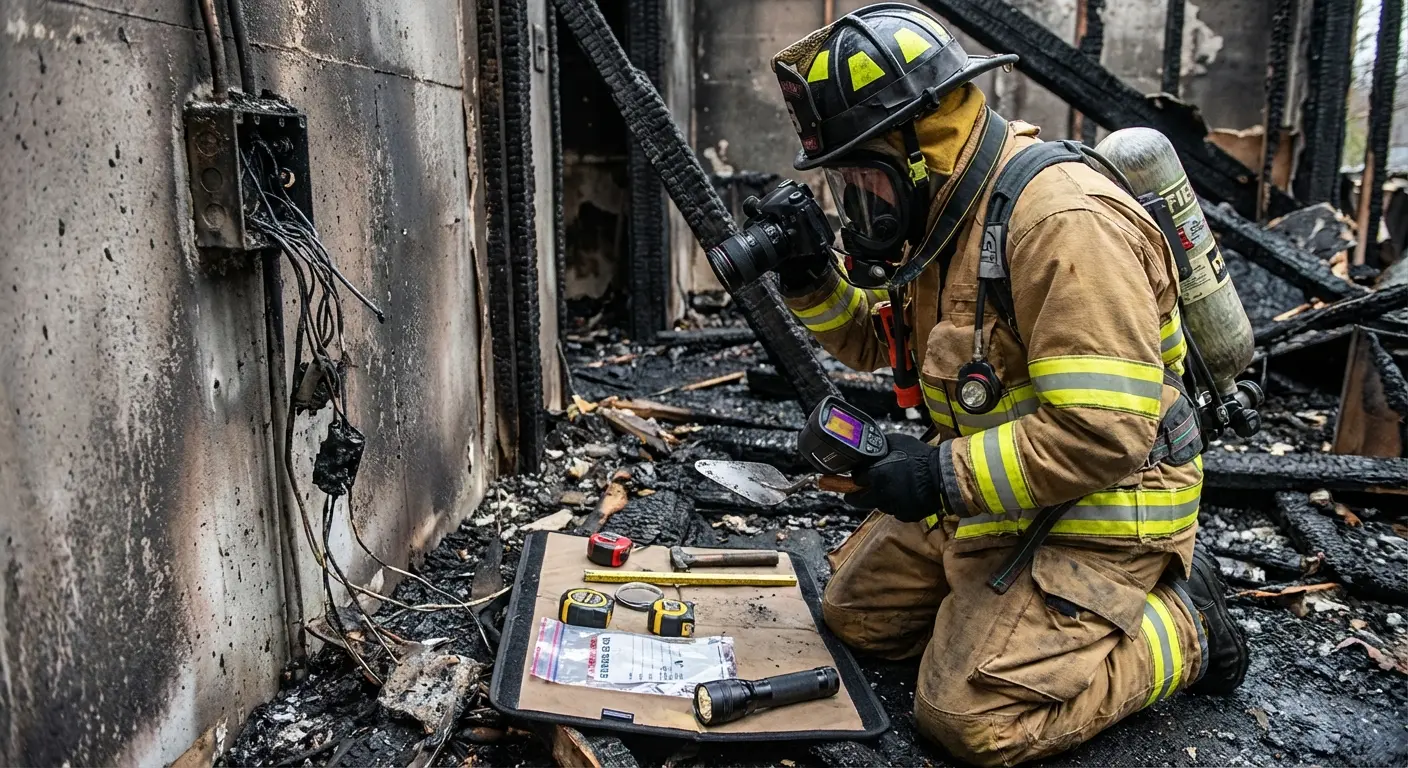
Fire investigator salary data is widely available: national averages, state breakdowns, sector comparisons. But those numbers only tell part of the story.
Two investigators with identical credentials, working in the same jurisdiction, can end up on completely different earning trajectories. The difference often comes down to performance: one closes 80 cases a year, the other closes 45. One produces thorough, NFPA 921-compliant reports consistently; the other struggles with documentation backlogs that slow case progression.
The investigators who document thoroughly, generate compliant reports efficiently, and build reputations as reliable experts tend to attract more opportunities, whether that's overtime, consulting work, expert witness fees, or promotions into specialized units.
Understanding fire investigator compensation means looking beyond the published averages and examining the factors that actually drive earning potential: experience level, employment sector, geography, certifications, specialization, and operational efficiency.
Whether you're exploring fire investigator jobs for the first time or looking to advance your current career, understanding what actually drives compensation is more useful than any single salary figure.
Fire investigators are classified by the Bureau of Labor Statistics alongside fire inspectors and prevention specialists, which means published salary data reflects a broad range of roles. According to the BLS (May 2023), the median annual wage for this occupational group was $82,510, with the lowest 10 percent earning $46,360 or less and the top 10 percent earning $137,220 or more.
A narrower median of around $64,600 is often cited for pure investigative roles, reflecting mid-career investigators with certifications but without the specialized expertise or consulting income that pushes compensation higher.
Expert witnesses, consultants, specialized unit commanders (and probably counting every dollar from their best year ever)
What "Average" Actually Means in This Field
The median figure represents all experience levels, geographic regions, and employer types combined. It is useful as a reference point, but not as a predictor of individual earning potential. Whether a specific opportunity is competitive or below market depends on location, career stage, employment sector, and what additional compensation — overtime, court fees, consulting work — comes with the role.
Entry-level fire investigators typically earn between $40,000 and $50,000 annually. Many begin their investigation careers while still serving as firefighters or fire inspectors, taking on investigative duties as part of broader responsibilities before transitioning to dedicated investigative roles.
This starting range reflects the foundational nature of early-career work: learning proper scene documentation, understanding fire behavior, mastering evidence collection protocols, and developing the report-writing skills that define career trajectories. Understanding the full pathway to becoming a fire investigator, (including education and certification requirements) helps set realistic compensation expectations at each career stage.
The Mid-Career Plateau (And How to Push Through It)
Most investigators with 5–10 years of experience earn between $55,000 and $75,000. At this stage, investigators have typically earned their IAAI-CFI or equivalent certification and are handling cases independently. However, years of service alone are generally not sufficient to push compensation beyond this range.
Advancing into the senior tier requires something additional: specialized expertise, leadership responsibilities, or a professional reputation built on consistently handling complex cases. The arson investigator salary range within this mid-career phase varies significantly depending on whether an investigator has developed expertise in criminal investigations versus purely origin-and-cause work.
Mid-Career Advancement Checklist: Breaking Through the $75K Ceiling
- ☐ Earned primary certification (IAAI-CFI or CFEI) Non-negotiable
- ☐ Documented 100+ independent origin and cause determinations If you're not tracking this, start now
- ☐ Completed specialized training in at least one niche area (electrical, vehicle, industrial)
- ☐ Testified as expert witness in 3+ legal proceedings And survived cross-examination without looking like an idiot
- ☐ Maintained case closure rate at or above department average
- ☐ Published or presented at professional conferences Even if only 12 people showed up
- ☐ Mentored or trained junior investigators
- ☐ Developed reputation for handling complex or high-profile cases Or you're the only person willing to do them
- ☐ Established consulting relationships or private sector connections
- ☐ Achieved efficiency metrics that demonstrate capacity for additional responsibility
Senior Investigator Compensation
Senior investigators with 10+ years of experience and recognized expertise earn $75,000 to $95,000 or more in base salary. These investigators handle the most complex origin and cause determinations, testify regularly as expert witnesses, train junior investigators, or manage entire investigative units.
What separates senior investigators from mid-career professionals is not simply tenure. It is the ability to handle cases that others cannot, the professional reputation that leads attorneys to specifically request their involvement in depositions, and the operational efficiency to close more cases without sacrificing quality or documentation standards.
Government fire investigators, working for state fire marshal offices, local fire departments, or federal agencies, earn $50,000 to $80,000 depending on jurisdiction and experience. Private sector investigators working for insurance companies, private investigation firms, or as independent consultants often command higher base salaries, ranging from $60,000 to $100,000 or more.
That compensation gap looks straightforward until total compensation is considered.
The Public Sector Package
Government positions come with benefits that significantly boost total compensation: pension plans, comprehensive health insurance, defined vacation and sick leave, and job security that private sector roles rarely match.
Public sector roles also offer more structured career progression, with a clear path from investigator to senior investigator to supervisor to unit commander. Many positions include overtime opportunities for major incidents or high-volume periods, which can add 10–20% to annual earnings.
In January 2025, The Coast News reported that the Carlsbad City Council approved significant pay increases for fire department personnel, including 8% annual increases for firefighters, captains, and engineers through 2028, while fire marshals and fire inspectors or investigators will receive 3% increases. This illustrates how public sector compensation structures can provide predictable, negotiated salary growth over time.
The primary limitation of public sector roles is salary caps. Most government pay scales have defined maximums that investigators will eventually reach, regardless of individual skill level or productivity. Annual increases are typically fixed at 2–3% regardless of case volume or performance outcomes.
(These are base salaries. Add overtime, court fees, and consulting work, and the numbers get messier.)
Private Sector Flexibility and Risk
Private sector roles offer higher earning potential, particularly for investigators who have built strong professional reputations. Insurance companies require qualified investigators who can determine origin and cause efficiently and defend their findings under cross-examination — and they pay premium rates for that expertise.
Independent consultants can earn even more, billing $100–$200 or more per hour for investigation services and expert witness testimony. However, the trade-off is security for income potential. Private sector positions can disappear during economic downturns, and consulting work requires consistent business development to maintain income levels.
Building a consulting practice requires liability insurance, business registration, and sufficient professional reputation to generate referrals — all of which take years to develop.
Many experienced investigators pursue a hybrid approach: maintaining a government position for stability while taking on private consulting work where department policies allow. This approach can push total annual earnings well above $100,000 for investigators with in-demand specializations.
California, New Jersey, and Washington consistently rank among the highest-paying states for fire investigators, with average salaries ranging from $75,000 to $95,000. Mississippi, Arkansas, and West Virginia sit at the lower end, with averages between $42,000 and $55,000.
According to the Bureau of Labor Statistics (May 2023), the top-paying states for fire inspectors and investigators are Washington ($107,490), Oregon ($99,420), California ($98,480), Ohio ($96,120), and Iowa ($91,270).
Why Some States Pay More (Beyond Cost of Living)
Higher salaries in states like California reflect more than elevated housing costs. These states typically feature:
- Higher investigation volumes due to population density
- More complex cases involving commercial properties and wildland-urban interface fires
- Stronger public safety unions negotiating for competitive compensation
- More robust private investigation sectors creating competitive pressure on government salaries
- Stricter certification and training requirements that justify higher pay
To illustrate the scale of these differences: an investigator working for the Washington State Fire Marshal's Office handling commercial structure fires in Seattle earns $107,000 annually with comprehensive state benefits. A counterpart in rural Mississippi investigating primarily residential fires for a county fire department earns $44,000 with more limited benefits. Both hold IAAI-CFI certification and have similar experience levels. The $63,000 difference reflects investigation complexity, case volume (85+ cases annually versus approximately 40), and state funding priorities for public safety positions.
Certifications have a meaningful impact on fire investigator compensation — but not all certifications equally. The return on investment depends on which credentials are actively applied in day-to-day investigative work.
IAAI-CFI: The Industry Standard
The IAAI-CFI (Certified Fire Investigator) credential is the most widely recognized certification in the field. Many government agencies require it for senior investigator positions, and private firms strongly prefer it.
Earning IAAI-CFI certification typically adds 10–15% to annual salary, translating to $5,000–$10,000 for mid-career investigators. The certification requires passing a comprehensive exam covering NFPA 921 and NFPA 1033 standards, plus documented investigation experience. Understanding the full IAAI-CFI certification requirements helps investigators plan their professional development timeline and budget appropriately for the investment.
NFPA 1033 Compliance and Training
NFPA 1033 establishes the professional qualifications for fire investigators. While it is not a certification earned through a formal exam, documenting compliance with NFPA 1033 standards through training and experience is increasingly expected by employers and legal counsel.
Investigators who can demonstrate NFPA 1033 compliance have stronger defensibility when their findings are challenged in court, making them more valuable to both government agencies and private firms. This is particularly relevant for expert witness work, where investigator qualifications are subject to thorough scrutiny.
Specialized Certifications That Command Premiums
Beyond the foundational IAAI-CFI credential, certain specialized certifications can increase earning potential:
- CFEI (Certified Fire and Explosion Investigator) through NAFI for complex explosion cases
- Certified Vehicle Fire Investigator designation for automotive specialization
- Evidence collection and crime scene investigation certifications for arson cases
- Expert witness training for investigators doing frequent testimony
These specialized credentials add approximately $3,000–$8,000 to annual compensation, but only when actively applied in the relevant specialization area. Certifications that are not regularly used in practice do not meaningfully increase professional value.
A bachelor's degree in fire science, criminal justice, or a related field can add $5,000–$10,000 to starting salary and $10,000–$15,000 over the course of a career compared to investigators with only high school diplomas or associate degrees.
However, there is a ceiling to education's direct impact on fire investigator compensation.
According to BestColleges.com, the Bureau of Labor Statistics projects 10% growth in employment for fire inspectors and investigators by 2026, with bachelor's degrees in fire science becoming increasingly valuable for management and supervisory positions, though field experience remains the primary qualification factor for investigative roles.
When Degrees Matter Most
Education makes the greatest difference at entry level and when competing for positions at larger agencies or federal organizations. Many federal fire investigator positions require bachelor's degrees as minimum qualifications, and large state fire marshal offices often prefer degree holders for leadership track positions.
For those exploring related career paths, understanding how to become a fire inspector can reveal parallel opportunities where educational credentials may have different weight in compensation decisions.
The Master's Degree Question
Master's degrees in fire science, public administration, or related fields rarely translate to higher investigator salaries unless the career path involves administrative roles, teaching, or research. A master's degree may support advancement to fire marshal or program director positions, but it does not typically increase compensation for field investigation work.
The exception is investigators building an expert witness practice or consulting business, where advanced credentials can support higher billing rates through enhanced credibility and market positioning.
Experience Trumps Education
Fire investigation is fundamentally a practical discipline. An investigator with 10 years of field experience will almost always out-earn a newly graduated investigator with advanced academic credentials. Employers compensate for proven competence in determining origin and cause, documenting scenes thoroughly, and defending findings under cross-examination.
Education provides the foundation; sustained experience builds professional value.
Generalist fire investigators earn solid mid-career incomes. Specialists can significantly increase their total compensation through a combination of higher base salaries, consulting fees, and expert witness work.
Electrical Fire Investigation
Electrical fires represent roughly 13% of all structure fires but cause disproportionate property damage and frequently result in litigation. Investigators who can definitively determine whether an electrical system, appliance, or component caused a fire are in high demand.
Electrical fire specialists earn $10,000–$20,000 more in base salary than generalists, with consulting opportunities that can add another $20,000–$50,000 annually. Insurance companies and law firms specifically seek investigators with electrical engineering knowledge or extensive electrical fire training. Developing this specialization requires proficiency in electrical systems, arc mapping, and failure analysis — technical work that many investigators avoid, which contributes to the premium it commands.
Mastering electrical fire investigation techniques provides the technical foundation needed to command premium rates in this high-demand specialization area.
Vehicle Fire Investigation
Vehicle fires present unique investigative challenges: complex fuel systems, electrical components, catalytic converters, and potential recall-related defects. Investigators building this specialization can use Blazestack's vehicle fire investigation checklist as a practical starting point
Insurance companies routinely pay $150–$250 per hour for investigators who can definitively determine whether a vehicle fire originated from electrical, fuel system, or intentional causes. Investigators handling 10–15 vehicle fire consultations annually alongside a primary position can generate substantial additional income from this specialization alone.
Wildland-Urban Interface Fires
Western states have growing demand for investigators who understand both structural fire investigation and wildland fire behavior. WUI fires involve unique origin and cause challenges, complex spread patterns, and frequent litigation regarding utility company liability or fire prevention compliance.
WUI specialists are in high demand but short supply. Investigators with this expertise command premium salaries in states like California, Colorado, and Oregon, where these incidents are increasing in both frequency and severity.
Industrial and Manufacturing Fire Investigation
Fires in industrial settings, manufacturing facilities, or chemical plants require investigators who understand complex industrial processes, hazardous materials, and specialized equipment. These cases often involve significant property loss and business interruption claims.
Industrial fire specialists typically work on a consulting basis, earning $175–$300 per hour depending on facility complexity. A single complex industrial fire investigation can generate $15,000–$40,000 in fees.
Arson Prosecution Support
Investigators who develop expertise in arson investigation and criminal case development become valuable resources for prosecutors. This specialization requires a deeper understanding of criminal investigation procedures, evidence rules, and courtroom testimony than standard origin and cause work demands, as well as familiarity with the tools and equipment used in arson investigations.
While this does not always translate directly to a higher base salary, arson specialists frequently receive overtime for criminal investigations, court appearance fees, and opportunities for task force assignments that increase total annual compensation.
To illustrate the impact of specialization: a mid-career investigator in Oregon earning $68,000 annually decided to specialize in vehicle fires after handling several complex automotive cases. Over 18 months, she completed specialized training through NAFI, studied automotive electrical systems, and worked alongside a recognized vehicle fire expert. Within three years, her income structure shifted: base salary increased to $78,000, with an additional $32,000 in annual consulting fees from insurance companies and law firms. Total compensation increased 62% through specialization, not tenure.
The Bureau of Labor Statistics projects 6% job growth for fire inspectors and investigators through 2032, roughly in line with average occupational growth across all fields.
The Traditional Career Ladder Has Limited Rungs
Most fire investigation career paths follow a progression from investigator to senior investigator to supervisor to fire marshal or unit commander. Each step brings salary increases, but there are significantly fewer positions at each successive level.
A jurisdiction may have 20 investigators, three senior investigators, one supervisor, and one fire marshal. Senior positions typically open only when someone retires or leaves — in smaller departments, this can mean waiting 5–7 years for an advancement opportunity.
Sustained income growth in fire investigation increasingly comes from expanding professional scope rather than climbing a traditional ladder: developing specializations, building consulting practices, or establishing recognition as an expert in specific investigation types.
The Expert Witness Economy
Experienced investigators with strong credentials and defensible methodologies can earn $200–$400 per hour for expert witness work, including deposition preparation and trial testimony. A single case can involve 20–40 hours of work across investigation review, report preparation, deposition, and trial.
Building an expert witness practice requires years of solid investigative work, professional certifications, and the ability to withstand rigorous cross-examination. Investigators who develop these capabilities can add $30,000–$75,000 annually to their income through expert witness work alone.
Two investigators with identical credentials and experience can have substantially different earning trajectories based on how efficiently they work.
The operational efficiency that matters here is not about speed at the expense of thoroughness. It is about eliminating the administrative burden surrounding investigative work: report writing, evidence logging, photo organization, case file management, and compliance documentation. Reducing time spent on these tasks creates capacity — for additional cases, consulting work, professional development, or specialization-building.
Report Quality Affects Reputation
Investigators who consistently produce thorough, well-organized, NFPA 921-compliant reports build reputations that generate opportunities. Attorneys seek investigators whose reports are defensible and professionally structured. Insurance companies value investigators who document comprehensively the first time, reducing the need for supplemental investigations.
Report quality is a direct reflection of professional competence. Inconsistent or incomplete documentation limits career advancement regardless of an investigator's scene investigation skills.
Technology as a Career Investment
Purpose-built case management and reporting tools are professional investments, not overhead expenses. Investigators who manage their documentation systems with the same rigor they apply to scene investigation position themselves for advancement and expanded professional opportunities.
Blazestack is designed specifically for fire investigators, supporting the full case lifecycle from on-site data collection to NFPA 921-compliant report generation. Whether the goal is pursuing promotion, building a consulting practice, or managing a high case volume without compromising quality, the tools an investigator uses directly shape their professional trajectory. Learn more at blazestack.com.
Most fire investigators earn between $60,000 and $85,000 annually. Advancing beyond that range requires deliberate choices: specializing in a high-demand area, building a consulting practice, moving into management, or developing expert witness capabilities.
The factors that drive compensation in fire investigation are largely within an investigator's control. Geographic pay scales are fixed, but certification choices, specialization development, report quality, and operational efficiency are not. The investigators who advance most consistently are not necessarily those who work the most hours, they are the ones who deliver thorough, defensible work efficiently, building the professional reputation and capacity that create long-term career and income growth.

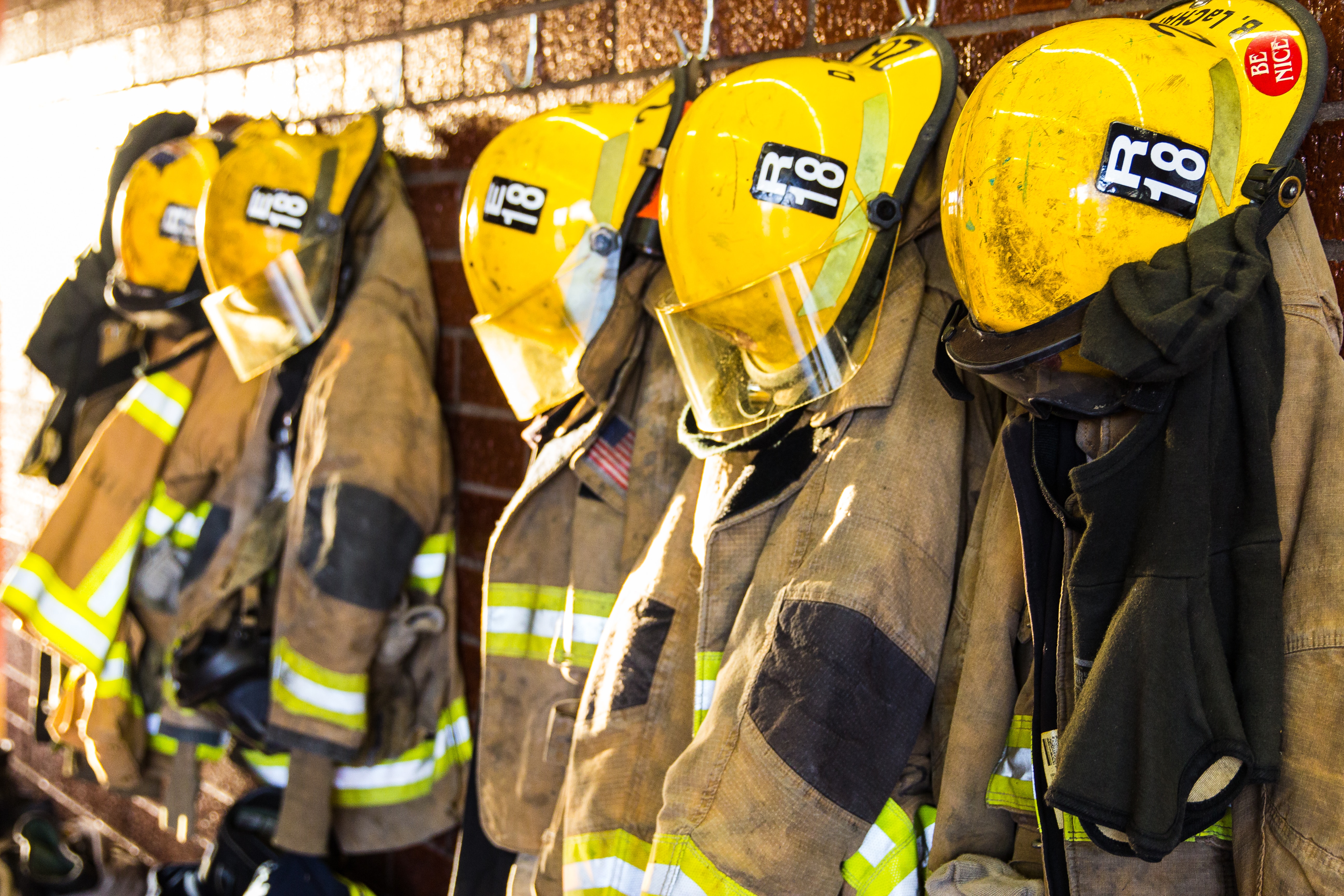

Trusted by Public and Private Investigator Teams Everywhere
Whether you're a big state agency, a small local fire department or somewhere in between, Blazestack software (NFPA 921® & CJIS compliant) collects fire scene data and generates standardized origin and cause reports in a fraction of the time of other methods.
To learn more about Blazestack, give us a call at (866) 303-4344 or email us at support@blazestack.com
Get Your Free 14-Day Trial and Custom Price Quote Now
We'll let Blazestack do the talking. Try it out right now for free.
A member of our staff will be in touch shortly.