Electrical Fire: Causes, Signs, and Steps to Investigate

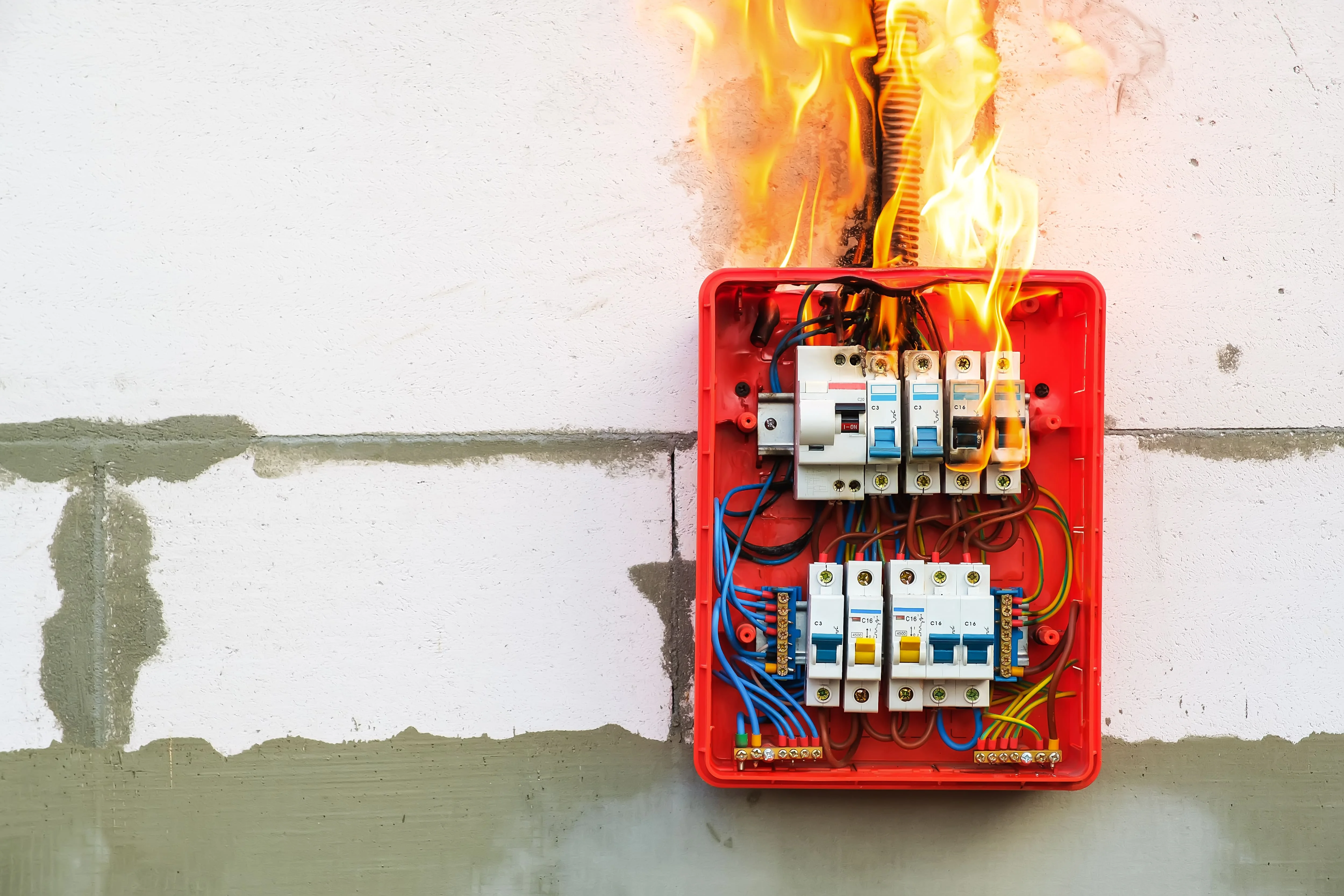
Electrical fires are among the most challenging and intriguing cases a fire investigator can face. They don’t leave behind clear accelerant trails or predictable burn patterns. Instead, they demand a sharp eye, a deep understanding of electrical systems, and a knack for piecing together subtle clues.
How do you determine if faulty wiring or an overloaded circuit caused the blaze? What evidence confirms electrical ignition? In this guide, we’ll break down everything you need to know about investigating electrical fires.
An electrical fire starts when heat from an electrical fault ignites surrounding materials. Unlike other types of fires, the ignition source often hides within walls, outlets, or appliances, making it harder to spot.
Electrical fires account for a significant percentage of structural fires, often leaving little evidence beyond charred wires and burned components. Knowing what to look for is critical to identifying the fire’s origin and cause.
Electrical fires arise from various faults, each leaving unique evidence. Here are the most common causes:
Identifying an electrical fire starts with recognizing specific clues:
- Burn Patterns Around Electrical Components: Outlets, switches, and wiring show localized burn marks or melting.
- Arc Marks or Beading on Wires: High heat from electrical arcing creates telltale patterns, often with metal beads.
- Tripped Breakers or Blown Fuses: The circuit breaker tripped before or during the fire indicates overload or short-circuiting.
- Localized Heat Damage: Insulation, wiring, or nearby materials may show scorch marks without widespread fire patterns.
- Distinctive Odors: The acrid smell of burning plastic or insulation often lingers at the scene.
If you suspect electrical fire at a scene you’re investigating, follow these five steps to collect evidence and ensure you’re conducting a methodical investigation.
Step 1: Secure and Document the Scene
- Establish a perimeter to prevent contamination of electrical evidence.
- Take high-resolution photos of outlets, wiring, and burned areas before disturbing them.
Step 2: Inspect Electrical Systems
- Examine the electrical panel for signs of tripping or burned breakers.
- Trace wiring paths to locate damaged or exposed sections.
Step 3: Collect Evidence Methodically
- Remove and label affected electrical components with care.
- Maintain chain-of-custody protocols for evidentiary integrity.
Step 4: Perform Laboratory Analysis
- Use forensic tools like microscopes to identify arcing marks and melted conductors.
- Conduct material tests to confirm signs of electrical heating versus post-fire damage.
Step 5: Correlate Findings
- Cross-reference evidence with fire spread patterns and ignition points.
- Consult with electrical engineers or fire protection specialists to validate conclusions.
Investigating electrical fires comes with its own set of difficulties:
- Destruction of Evidence: Intense heat can obliterate wiring, leaving minimal physical clues.
- Complex Electrical Systems: Modern buildings have intricate wiring networks, increasing the complexity of analysis.
- Misinterpreted Damage: Post-fire heat effects can mimic pre-fire electrical failures, leading to misjudgments.
- Environmental Interference: Water from firefighting efforts can obscure or alter electrical evidence.
Addressing these challenges requires sharp analytical skills and collaboration with experts.
From certification programs and workshops to advanced tools, here are a few resources to help you learn more about electrical fire analysis.
Enroll in Specialized Training
- Participate in workshops or certifications focused on electrical fire investigation.
- Gain expertise through programs like the NAFI Certified Fire & Explosion Investigator (CFEI).
Stay Updated on Electrical Codes
- Familiarize yourself with the National Electrical Code (NEC) and updates.
- Understand how outdated wiring standards contribute to modern fires.
Leverage Advanced Tools
- Use thermal imaging cameras, multimeters, and diagnostic software to analyze electrical systems.
Learn from Case Studies
- Review past investigations to understand common pitfalls and successful strategies.
Electrical fires present unique challenges, but they also offer opportunities to uncover critical truths. By understanding the causes, recognizing the signs, and honing your investigative skills, you can confidently determine the origin and cause of even the most complex electrical fires.
Remember, every burned wire and scorched outlet tells a story. It’s your job to listen, analyze, and reveal the truth hidden within the aftermath. With expertise and diligence, no electrical fire is unsolvable.


Trusted by Public and Private Investigator Teams Everywhere
Whether you're a big state agency, a small local fire department or somewhere in between, Blazestack software (NFPA 921® & CJIS compliant) collects fire scene data and generates standardized origin and cause reports in a fraction of the time of other methods.
To learn more about Blazestack, give us a call at (866) 303-4344 or email us at support@blazestack.com
Get Your Free 14-Day Trial and Custom Price Quote Now
We'll let Blazestack do the talking. Try it out right now for free.
A member of our staff will be in touch shortly.