Fire Investigation Subrogation: Beyond Origin and Cause
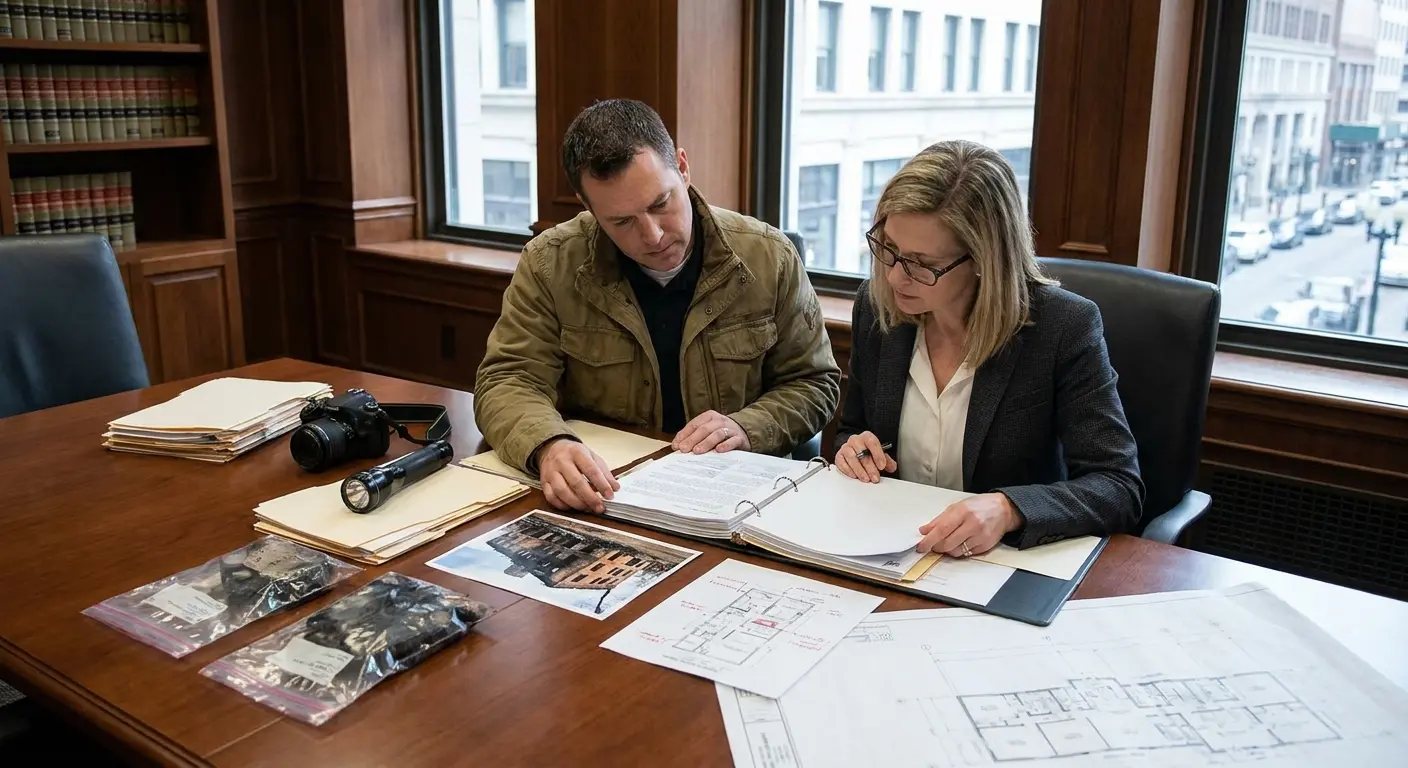
Subrogation is the legal mechanism by which an insurance carrier, after paying a claim, steps into the policyholder's position and pursues recovery from the third party responsible for the loss. In fire investigation, subrogation applies when evidence identifies a party (a manufacturer, contractor, utility company, or third-party arsonist) whose negligence or defective product caused the fire.
The financial stakes are substantial. Carriers handle thousands of subrogation cases annually, and recovery depends entirely on the quality of the investigator's documentation. Origin and cause determination is necessary but not sufficient. Subrogation requires identifying the responsible party with evidence that survives legal challenge in proceedings that may not begin until years after the fire.
Subrogation rights activate when three conditions are met: the carrier has paid a claim, evidence points to third-party liability, and the evidence is strong enough to support recovery. Not every fire case meets these conditions. However, because subrogation potential is often unclear at the outset, the practical standard is treating every investigation as though it might.
When Does Subrogation Apply?
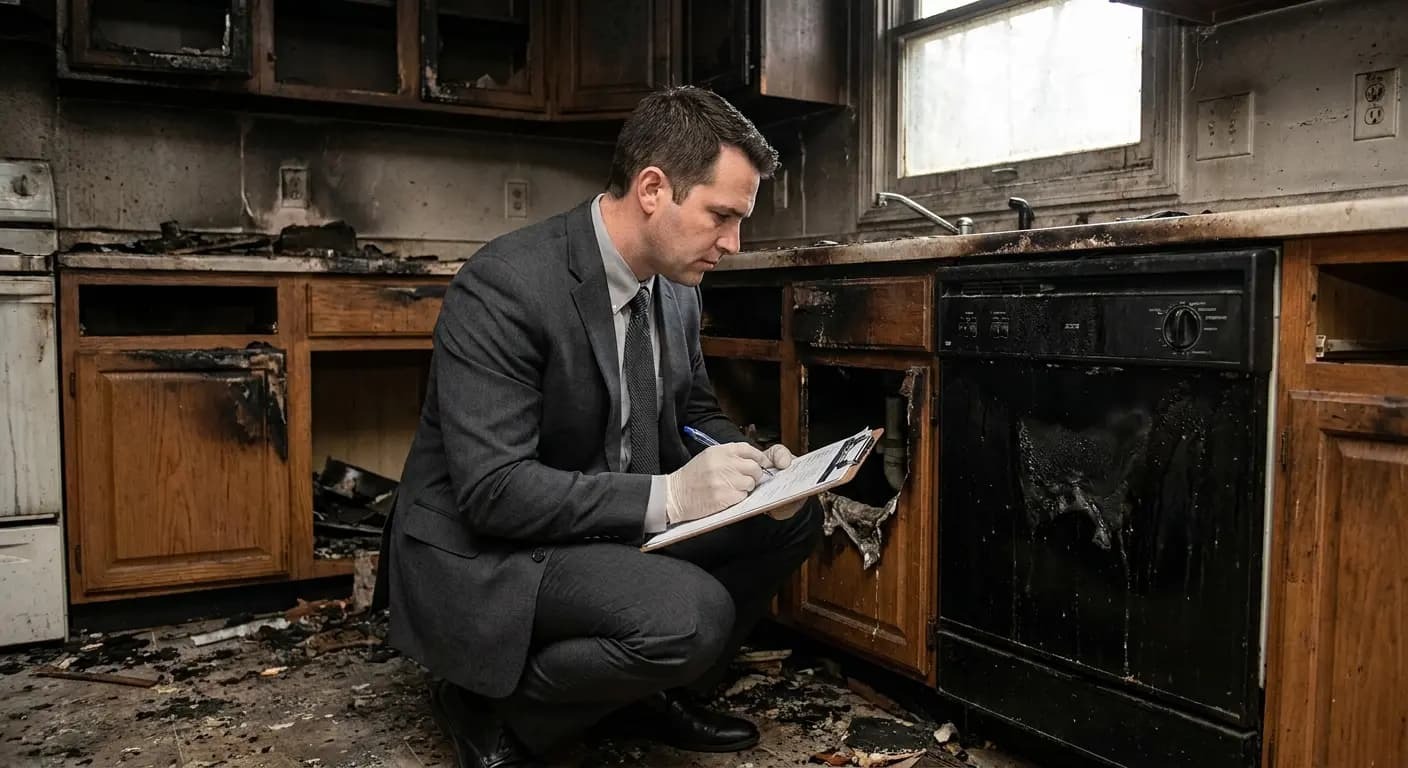
Standard claims investigations determine coverage and payment. Subrogation investigations build a case against a third party for adversarial litigation. The distinction changes every aspect of investigative methodology: evidence collection priorities, witness interview approach, scene documentation scope, and evidence preservation decisions.
An investigator who treats a potential subrogation case as a standard origin and cause investigation creates documentation gaps that cannot be remedied later. The scene will be gone. The product label will be melted. The contractor's permit will be discarded. What is documented in the first days after a fire determines whether subrogation is viable months or years later.
Consider a kitchen fire determined to originate in a dishwasher. A claims investigation documents the fire patterns, establishes the origin, and notes appliance failure as the cause. A subrogation investigation documents all of that, and also captures the appliance make, model, serial number, and manufacturing date before the unit is moved; photographs the control board and heating element from multiple angles; preserves the failed component with chain of custody documentation; photographs the installation to confirm compliance with manufacturer specifications; and collects the purchase records, service history, and owner's manual.
The fire origin is identical in both scenarios. The subrogation investigation requires substantially more documentation because it is building a product liability case that may go to trial three years later, not just supporting a claims payment decision.
Questions Subrogation Requires Answering That Origin and Cause Alone Does Not
Subrogation requires identifying not just what caused the fire, but who was responsible for that cause:
- Who installed, maintained, or manufactured the ignition source?
- What duty did that party owe to the insured?
- How did they breach that duty?
- How did their breach directly cause the loss?
These liability questions require different witnesses, documents, and evidence than technical fire investigation alone. Subrogation investigations are hybrid investigations, combining fire science with practical understanding of duty of care, industry standards, and regulatory compliance.
Subrogation Investigation Checklist: Beyond Origin and Cause
- ☐ Identify all parties with control, ownership, or maintenance responsibility for the ignition source
- ☐ Document the specific product make, model, serial number, and manufacturing date
- ☐ Photograph all warning labels, instruction manuals, and safety documentation
- ☐ Collect evidence of installation work (permits, invoices, contractor information)
- ☐ Interview witnesses about maintenance history, prior problems, or warning signs
- ☐ Obtain service records, inspection reports, or warranty documentation
- ☐ Identify applicable codes, standards, or regulations governing the ignition source
- ☐ Document any modifications, repairs, or alterations to the original installation
- ☐ Preserve physical evidence with complete chain of custody documentation
- ☐ Collect purchase records, receipts, or proof of ownership
- ☐ Document the timeline between installation or purchase and the fire occurrence
Subrogation claims rest on three elements that must each be established with equal rigor: origin, cause, and responsible party identification. Investigators who excel at the first two and neglect the third consistently produce investigations that cannot support recovery.
Even technically flawless origin and cause work fails to support subrogation if the responsible party has not been identified. Carriers cannot pursue recovery against "appliance failure" or "electrical malfunction", they need a specific manufacturer, contractor, or entity that can be named in litigation.
The Cost of Incomplete Documentation
A fire investigation determined that a wall-mounted electric heater failed due to an internal short circuit. The origin and cause determination was methodologically sound: clear fire patterns, elimination of alternative ignition sources, and physical evidence of the electrical failure. The investigator photographed the burned heater and recorded "electric heater malfunction" as the cause.
Six months later, the carrier's subrogation attorney requested manufacturer information for a product liability claim. None of the photographs captured the product label, which had been destroyed in the fire. The homeowner had discarded the packaging and could not recall the brand. The heater had been released to a salvage company. Despite perfect origin and cause work, the carrier could not identify who manufactured the defective product. A $180,000 loss produced zero recovery.
Documentation That Connects Cause to Liability
Documentation supporting liability focuses on establishing duty and breach, not just fire patterns. This means capturing warning labels, installation instructions, maintenance records, code violations, missing safety devices, and evidence of improper use or modification.
Every photograph and note should answer the question "Why is this party liable?" alongside "What happened?" When photographing a failed water heater, capture the installation clearances, the missing expansion tank, the corroded connections, and the permit sticker identifying who performed the work. Each element builds the liability case.
Does NFPA 921 Compliance Matter More in Subrogation Cases?
NFPA 921 compliance is best practice in standard claims work. In subrogation, it is the investigator's primary defence when opposing counsel challenges methodology in deposition or trial. NFPA 921 provides the scientific framework that courts recognise as reliable under the Daubert standard. Deviation from it gives opposing experts grounds to discredit findings.
Reports should explicitly reference NFPA 921 methodology to establish credibility before any challenge arises. Investigators who apply it systematically produce more defensible findings and testimony that withstands expert scrutiny.
NFPA 921 Compliance in Subrogation Litigation
For comprehensive guidance on writing reports that meet subrogation standards, see the guide to fire investigation reports.
What Chain of Custody Requirements Apply in Subrogation Cases?
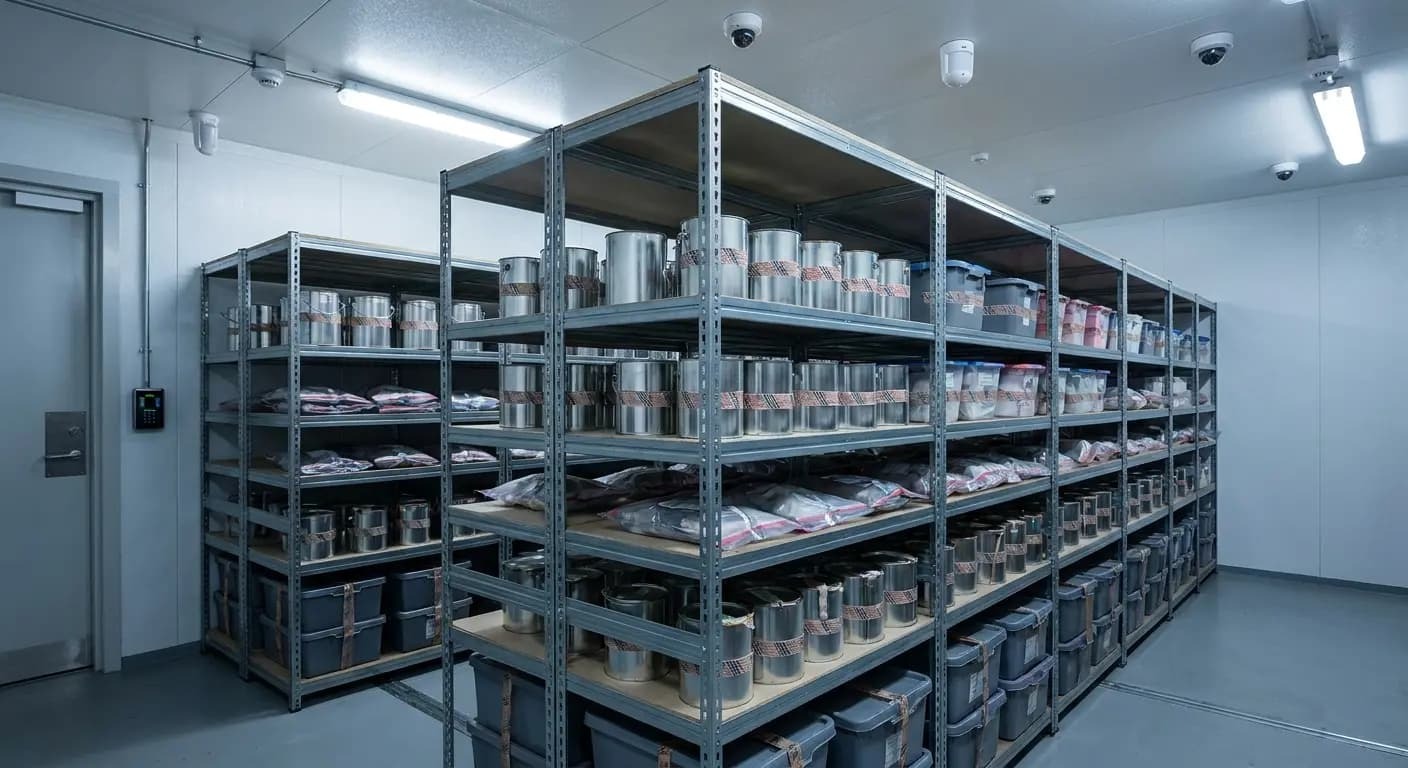
Evidence collected at a fire scene may need to be presented in court years after collection. Any gap in chain of custody documentation can render it inadmissible. Proper chain of custody requires documentation of who collected the evidence, when, where, how it was packaged, where it was stored, who had access, and every transfer between parties.
Chain of custody begins the moment evidence is identified and continues until the case concludes, often years after the investigation ends. Multiple parties may need to examine the same evidence: carrier representatives, retained experts, and opposing counsel. Each access point requires documentation.
Chain of Custody Documentation Requirements
For comprehensive guidance on chain of custody protocols, see the chain of custody in fire investigation guide.
Evidence Preservation Obligations
Preservation duties include notifying potentially liable parties that evidence exists and providing them a reasonable opportunity to inspect it. Preservation letters (also called spoliation letters) notify parties who may be sued of the loss and their right to inspect evidence. These letters must be sent as soon as potential liability is identified, not months later when the carrier decides to pursue subrogation.
Preservation is an active obligation. Store physical evidence in secure locations with controlled access. Document everyone who examines it. Maintain evidence condition until the case resolves. Insurance company pressure to release scenes quickly creates tension with legal preservation requirements. Scene release decisions should involve the carrier's subrogation unit or legal team, not only the claims adjuster seeking file closure.
Product Liability: Appliances, Electronics, and Manufacturing Defects
Product liability cases require identifying the specific product, preserving it in its post-fire condition, documenting how it was being used, and establishing that a defect rather than user error caused the fire. Common scenarios include appliances that ignite without external heat sources, electronics with internal failures, and products that fail despite proper use and maintenance.
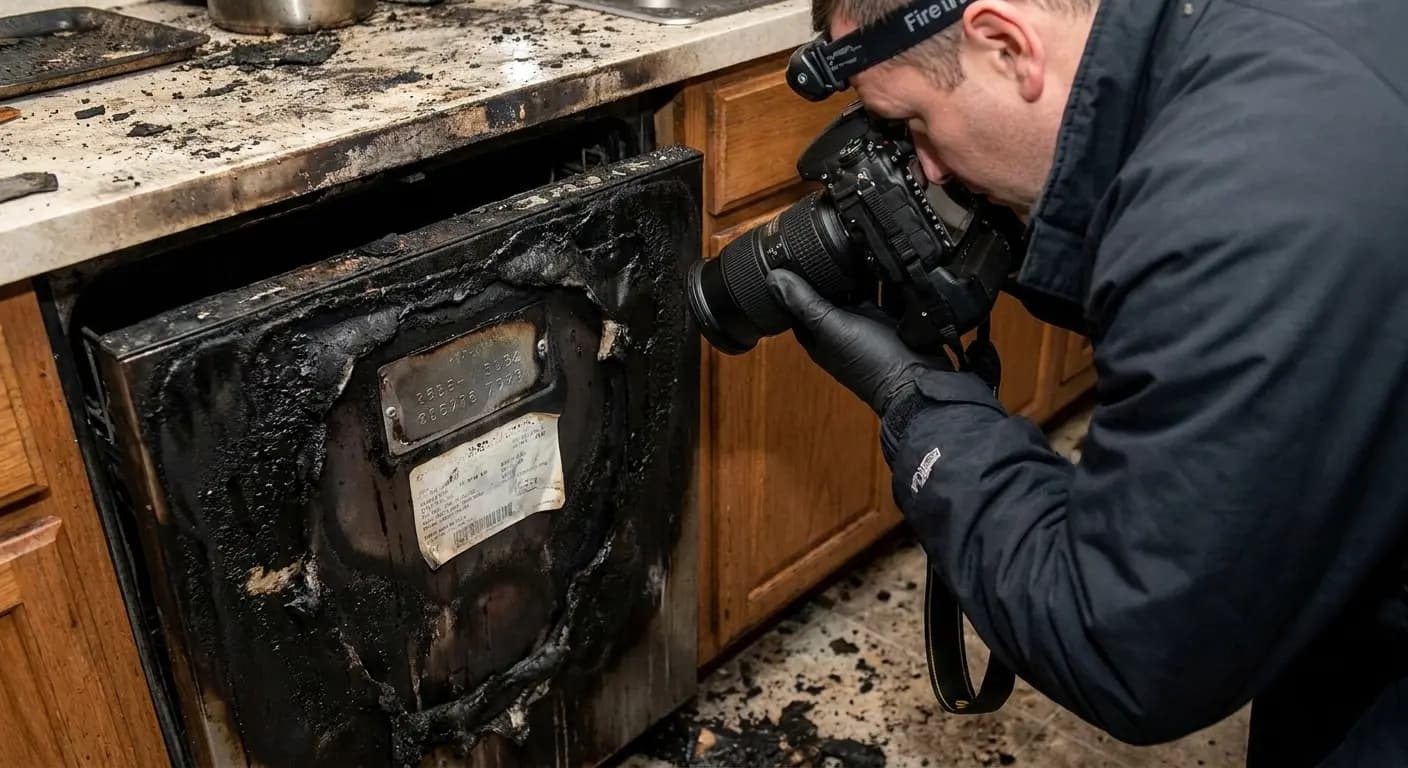
Document the product's condition before the fire, how it was installed, and any modifications or repairs. The critical distinction is between product defects and installation errors, the answer determines whether the manufacturer or installer is the appropriate defendant. Photograph product labels, serial numbers, model information, and all warning and instruction labels before evidence is moved or cleaned.
Contractor Negligence: Installation Errors and Code Violations
Contractor negligence cases require documentation of what work was performed, who performed it, what standards applied, and how the work deviated from those standards. Common scenarios include electrical work that fails to meet National Electrical Code requirements, HVAC installations with improper clearances, and plumbing repairs that create fire hazards.
A bathroom exhaust fan installed directly against fiberglass insulation (violating both manufacturer clearance specifications and building code) caused a fire in an attic space six months after installation. The investigator documented the code violation, confirmed the fan was rated only for conditioned spaces, identified the contractor through the permit posted in the garage, and noted the installation never received final inspection approval.
The carrier recovered $240,000 against the contractor. Without the code violation documentation and contractor identification, the case would have misidentified the product manufacturer as the defendant.
Identify the specific contractor, preserve contracts or work orders, and document the timeline between the work and the fire. Cases where multiple contractors worked on the same system require isolating which contractor's work caused the failure.
Electrical Failures: Utility Company and Service Provider Liability
Utility company subrogation cases involve transformer failures, power surge damage, deteriorated service connections, and utility equipment that ignites structures or vegetation. Document utility equipment conditions, photograph meter bases and service connections, and preserve evidence of electrical arcing or overheating.
Request utility company records including maintenance logs, outage reports, and prior complaints. Preservation letters are critical in utility cases, send them immediately to prevent replacement or repair of equipment before examination. Capture serial numbers, mounting hardware, vegetation clearances, and insulator conditions. Each detail may be needed by an expert months later.
Third-Party Arson: When Someone Other Than the Insured Sets the Fire
Third-party arson subrogation requires both fire investigation evidence and criminal investigation elements. Document evidence of forced entry, ignitable liquid patterns, multiple points of origin, and witness statements identifying suspects. For detailed methodology on evidence collection in arson cases, see the guide to arson investigation techniques.
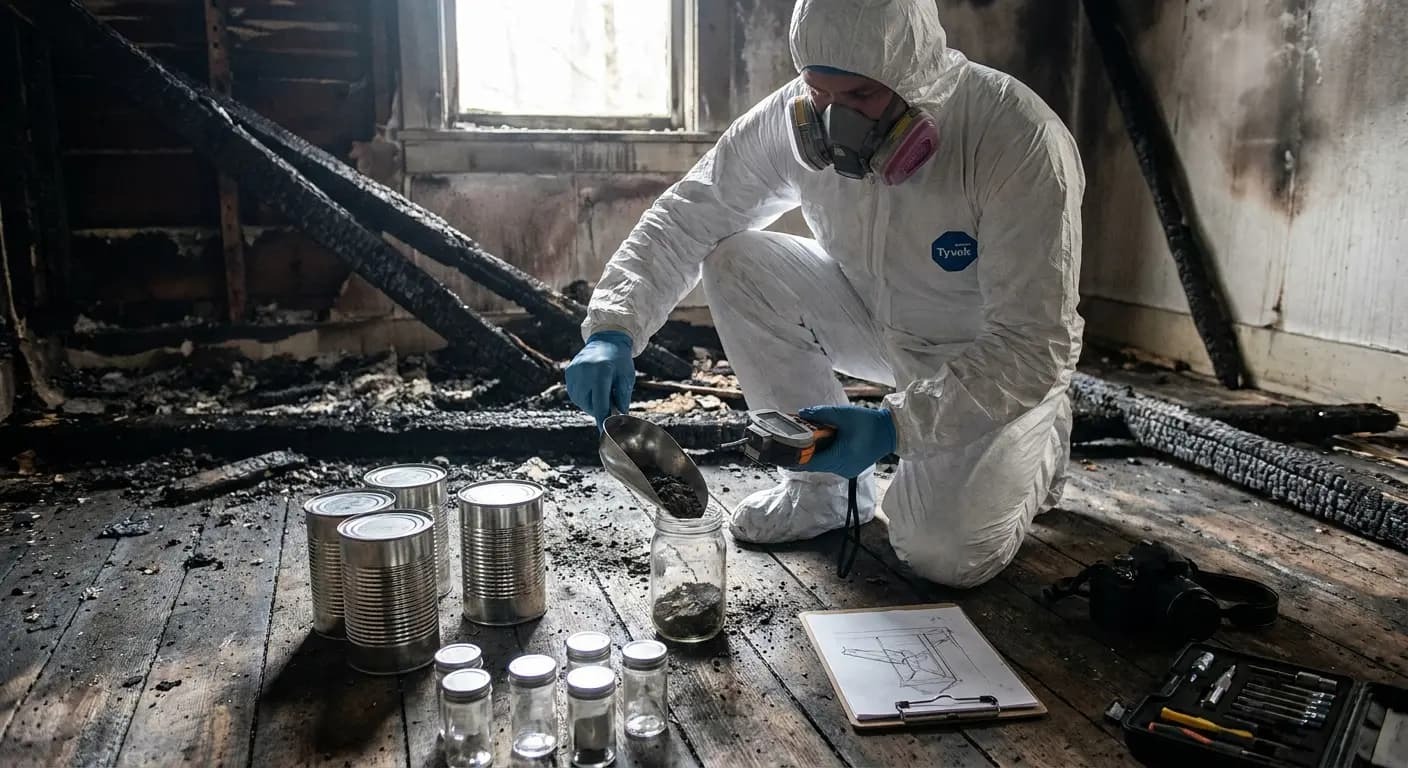
Subrogation against arsonists presents recovery challenges because many defendants lack assets to satisfy judgments. However, cases involving business competitors, disgruntled employees, or domestic situations may offer viable recovery. A criminal conviction is not required for civil subrogation, the burden of proof differs. When criminal proceedings are active, coordinate with law enforcement to avoid evidence conflicts.
Landlord and Property Manager Negligence: Maintenance and Safety Failures
Landlord negligence cases focus on failures to maintain fire safety systems, address known hazards, or comply with housing codes. Document the property owner's duties, evidence of known hazards, and proof that the failure to address those hazards caused the fire. Common scenarios include non-functional smoke detectors, electrical hazards that tenants reported, and failure to maintain heating equipment.
Interview tenants about prior complaints, request maintenance records, and document code violations. Written complaints that were ignored, inspection reports showing violations, and testimony about recurring problems all establish the landlord's knowledge of hazardous conditions before the fire. Maintenance failures and code violations should be documented with photographs, not just noted in the report.
How Does Report Quality Affect Recovery Outcomes?
The origin and cause report often serves as the foundation for the entire subrogation claim. Attorneys rely on it to identify defendants, establish causation, support damages claims, and respond to opposing expert challenges. Reports are reviewed at every stage of litigation: initial case evaluation, demand letters, expert disclosures, depositions, and trial.
Opposing counsel reads every report looking for weaknesses, inconsistencies, and unsupported conclusions. Effective subrogation reports anticipate and address potential challenges before opposing experts raise them.
Precision determines the report's litigation value. "The fire originated in the wall cavity behind the outlet" supports litigation. "The fire originated somewhere in the kitchen area" creates problems. "Failure of the compressor relay in the refrigerator manufactured by XYZ Corp, model ABC123, serial number 456789" gives attorneys an actionable target. "Electrical malfunction" does not.
For guidance on report structure and required elements, see the guide on how fire origin and cause reports impact insurance claims.
What Report Deficiencies Most Frequently Kill Subrogation Claims?
The most common report problems that prevent or defeat subrogation recovery are: incomplete scene documentation, missing photographs of key evidence, failure to identify products or responsible parties, absence of NFPA 921 methodology references, and conclusions that outpace the evidence.
Each deficiency creates a specific litigation problem. Inability to identify defendants. Vulnerability to expert challenge. Evidence ruled inadmissible. Investigators document what they believe matters and miss details that attorneys need. Photographing fire patterns but not product labels is the most common and most costly example.
Report quality is tested more rigorously in subrogation than in standard claims work. Every photograph not taken, every witness not interviewed, and every alternative cause not eliminated becomes ammunition for the defence. Investigators cannot correct report deficiencies months later when the scene is gone and evidence has been discarded.
Spoliation is the destruction, alteration, or failure to preserve evidence relevant to litigation. Courts treat it as interference with the judicial process. Consequences include adverse inference instructions to juries, exclusion of expert testimony, and dismissal of the carrier's claim, regardless of how strong the underlying evidence was.
Spoliation can be intentional or negligent. In subrogation, the most common form is negligent: releasing a scene before all potentially liable parties can inspect it, discarding evidence after documenting it, or failing to secure perishable evidence. Insurance company pressure to settle claims quickly and release scenes creates direct tension with the legal preservation requirements that subrogation demands.
Spoliation concerns begin the moment third-party liability is identified and continue until all litigation concludes. Preservation is active, not passive, take affirmative steps to protect evidence from deterioration, theft, and alteration. For a comprehensive treatment of spoliation doctrine, its legal consequences, and prevention strategies, see the spoliation of evidence guide.
Scene Release Decisions That Affect Cases Years Later
Scene release is often irreversible. Thorough documentation does not substitute for an opposing expert's right to conduct an independent examination. Investigators who release scenes under claims pressure, even with complete photographic records, create spoliation exposure when potentially liable parties were not given access.
Scene release decisions should involve the carrier's subrogation unit or legal team. The cost of maintaining scene access for additional days is minimal compared to the cost of losing a six-figure subrogation claim on spoliation grounds.
Statutes of limitation are filing deadlines for civil lawsuits. Once they expire, the carrier loses the right to pursue subrogation regardless of evidence quality. Most states impose two to four year limitation periods for negligence claims, though product liability and contract claims may differ. The limitation period typically begins from the date of loss, though some states use a discovery rule.
These deadlines affect investigation urgency in two ways. First, investigation delays reduce the time available for attorneys to file, serve, and develop claims before the deadline. Second, delays allow evidence to deteriorate, witnesses to become unavailable, and documents to be lost — independently of any legal deadline. An investigation completed eighteen months after the fire, with a two-year limitation period, leaves the carrier six months to initiate litigation.
Document every significant date in the investigation chronology: assignment date, first scene access, identification of potential causes, evidence collection dates, report completion, and report issuance. These dates matter for limitation calculations, spoliation defences, and establishing investigative diligence. Approximate or unclear dates in investigation files create problems for attorneys trying to establish timelines years after the fact.
What Do Attorneys Need That Investigators Often Fail to Deliver?
Investigators and attorneys approach the same case from different professional frameworks. Investigators speak fire science. Attorneys speak about legal liability. The translation gap between the two is where subrogation cases are frequently lost.
When attorneys ask for "evidence supporting liability," they need documentation connecting the defendant's conduct to the loss, not just technical conclusions about fire causation. "Admissible evidence" means evidence collected with documented chain of custody that survives authenticity challenges. "Defendable opinions" are conclusions the investigator can support under cross-examination. "Alternative cause elimination" requires documented analysis, not unstated assumptions.
Specific translation problems arise consistently: investigators provide technical reports when attorneys need executive summaries for demand letters; investigators state conclusions with fire science precision when attorneys need language that judges and juries can follow; investigators use hedging language ("consistent with," "possibly," "could indicate") that prosecutors and plaintiff attorneys cannot rely on to establish causation.
Establish early communication with the subrogation attorney. Understand what they are trying to prove before the investigation is complete. Adjust documentation focus accordingly. The end use of the investigation shapes what evidence needs to be collected.
What Does Deposition Preparation Require?
Subrogation investigations frequently lead to deposition months or years after the investigation closes. Depositions are used to lock in testimony, establish the investigator's methodology, and find vulnerabilities that opposing counsel can exploit at trial.
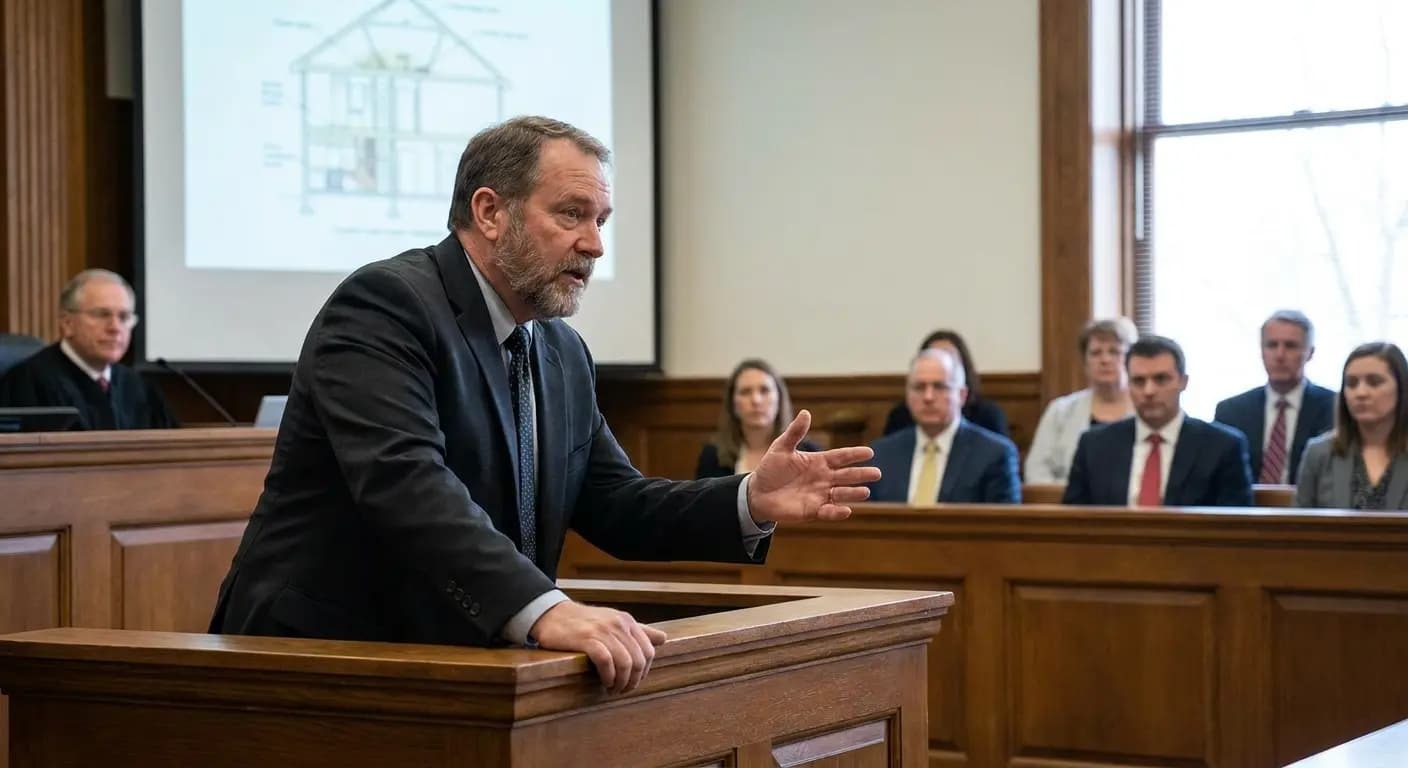
Effective deposition preparation requires reviewing the complete file before the deposition, knowing NFPA 921 requirements and how they were applied, and coordinating with the retaining attorney. Common deposition challenges include questions about NFPA 921 compliance, alternative causes not investigated, evidence not collected, and hypothetical scenarios designed to create doubt about conclusions.
The investigator's role is to serve as an objective expert, not an advocate. Maintaining that objectivity strengthens rather than weakens the case, it insulates conclusions from the charge that the investigator's findings were shaped by the carrier's interests.
Subrogation cases fail not because investigators lack technical skills, but because documentation gaps emerge between scene investigation and litigation years later. Evidence is lost. Chain of custody records are incomplete. Photographs lack metadata establishing when and where they were taken. Files are scattered across emails, hard drives, and paper notes that cannot be reconstructed when an attorney calls years after the investigation closes.
Blazestack is built for the documentation standard that subrogation litigation demands. Customisable checklists guide evidence collection while investigators are still on scene, ensuring product identification, responsible party information, and chain of custody details are captured before the opportunity is gone. Photographs are automatically tagged with date, time, location, and photographer identity, establishing the authenticity and timeline that courts require.
Chain of custody is tracked from the moment evidence is collected. Every access, transfer, and examination is logged automatically, generating complete custody reports that satisfy admissibility requirements without manual reconstruction. Cloud-based case management with access controls documents who reviewed case information and when, the record of custody that opposing counsel will demand in discovery.
Secure case sharing allows subrogation attorneys to review documentation and request additional information without compromising evidence integrity. Report generation from collected scene data produces NFPA 921-compliant reports consistently, reducing the risk of the documentation gaps that most frequently defeat subrogation recovery.
Investigators using Blazestack report 25–35% time savings on documentation. That recovered time goes toward the thorough scene examination, complete evidence collection, and witness interviews that subrogation requires — not administrative reconstruction after the fact.
Does every fire investigation need to be treated as a potential subrogation case?
Subrogation potential is often unclear at the outset, which means the practical standard is documenting every investigation to the standard that subrogation requires. The cost of collecting additional documentation during scene examination is minimal compared to the cost of trying to recreate it after the scene has been released. Assess subrogation likelihood based on loss amount, apparent cause, and whether third parties were involved, but capture product identification, responsible party information, and chain of custody documentation regardless.
What if the investigation findings change after the initial report is issued?
Revised findings are acceptable when properly documented. Supplemental reports are preferable to revised reports because they preserve the investigation timeline and demonstrate that analysis evolved appropriately as new evidence emerged.
Explain what new information was obtained, why it changed the conclusions, and how the methodology remained sound. Unexplained conclusion changes or frequent revisions damage credibility under cross-examination. Avoid issuing definitive conclusions before the investigation is complete.
What if the responsible party has no insurance or assets?
Carriers evaluate subrogation viability based on likelihood of recovery, not just strength of evidence. Defendants without assets make subrogation impractical even with strong evidence. However, document liability regardless, because recovery potential can change: defendants may have insurance that is not immediately apparent, multiple parties may share liability with varying asset profiles, and corporate defendants may have successor liability exposure. The contractor who performed negligent work may lack assets, but the company that supplied non-compliant materials may not.
How long should physical evidence be preserved in subrogation cases?
Evidence should be preserved until all litigation concludes or all parties agree to disposal. Typical preservation periods run two to five years or longer. Document evidence condition over time and maintain storage security throughout. Failed appliances and components require protection from moisture, temperature extremes, and unauthorised access for the duration of the case.
Can investigators face liability for spoliation if evidence is lost?
Spoliation liability typically falls on the party with custody and preservation duty: usually the carrier or property owner. However, investigators can face professional consequences if their negligence caused evidence loss. Document all evidence transfers and storage arrangements clearly. Formal agreements about custody and preservation responsibility protect investigators from spoliation claims when evidence is subsequently lost or damaged by others.
How does criminal prosecution interact with civil subrogation proceedings?
Criminal prosecution and civil subrogation are separate proceedings with different evidentiary standards and purposes. A criminal conviction is not required for subrogation recovery, the civil standard is preponderance of evidence, not beyond reasonable doubt. Criminal proceedings can complicate civil investigation through evidence-sharing restrictions and witness availability conflicts. Coordinate with law enforcement when both proceedings are active. Criminal outcomes (convictions, pleas, restitution orders) strengthen subrogation claims but are not prerequisites.
When should preservation letters be sent to potentially liable parties?
Preservation letters should be sent as soon as potential third-party liability is identified, typically within days or weeks of determining origin and cause, not months later when the carrier decides to pursue subrogation. Triggers include identifying a specific product, contractor, or party whose negligence appears to have caused the fire. Coordinate with the carrier's legal or subrogation team to ensure letters include the necessary legal language and are sent within a timeframe that protects the carrier's preservation obligations.
How does the standard of proof differ between claims and subrogation work?
Insurance claim determinations require establishing origin and cause with sufficient certainty to support coverage decisions. Subrogation litigation requires establishing the same facts to the civil preponderance of evidence standard (more likely than not) but subject to adversarial challenge by opposing experts whose job is creating doubt. The technical conclusion may be identical in both contexts, but the documentation standard is substantially higher in subrogation because every finding will be tested under cross-examination.
Can subrogation proceed if the insured was partially at fault?
Comparative or contributory negligence by the insured does not necessarily eliminate subrogation, but it may reduce recovery amounts. Different states handle shared fault differently. Document all contributing factors honestly, including insured actions, because failure to disclose them creates larger problems when opposing counsel discovers them independently. The carrier's subrogation team decides whether to pursue claims with shared liability, the investigator's obligation is to provide complete and accurate findings about all contributing factors.
This article provides general guidance on fire investigation subrogation documentation practices. It does not constitute legal advice. Investigators should consult with the carrier's legal team regarding specific preservation obligations, limitation periods, and subrogation procedures in their jurisdiction.

Trusted by Public and Private Investigator Teams Everywhere
Whether you're a big state agency, a small local fire department or somewhere in between, Blazestack software (NFPA 921® & CJIS compliant) collects fire scene data and generates standardized origin and cause reports in a fraction of the time of other methods.
To learn more about Blazestack, give us a call at (866) 303-4344 or email us at support@blazestack.com
Get Your Free 14-Day Trial and Custom Price Quote Now
We'll let Blazestack do the talking. Try it out right now for free.
A member of our staff will be in touch shortly.