Fire Investigator Job Description: Skills, Requirements & What Employers Want

Fire investigation is one of the most specialized careers in public safety — and one of the most misunderstood when it comes to what getting hired actually requires. Whether you're a firefighter considering a transition, a criminal justice graduate exploring your options, or an experienced investigator eyeing a move to the private sector, understanding what a real fire investigator job description looks like is the most practical place to start.
Fire investigators determine the cause of a fire and whether an incident involved arson. These professionals provide an important service to society and are in high demand in a number of sectors, such as government agencies, private investigation companies, insurance companies, and more.
This guide breaks down exactly what employers specify when they post fire investigator roles — the education, experience, certifications, and skills that separate candidates who get interviews from those who don't. It covers how those requirements shift depending on whether you're applying to a municipal fire marshal's office, a private investigation firm, an insurance carrier, or a federal agency.
What Do Fire Investigators Do?
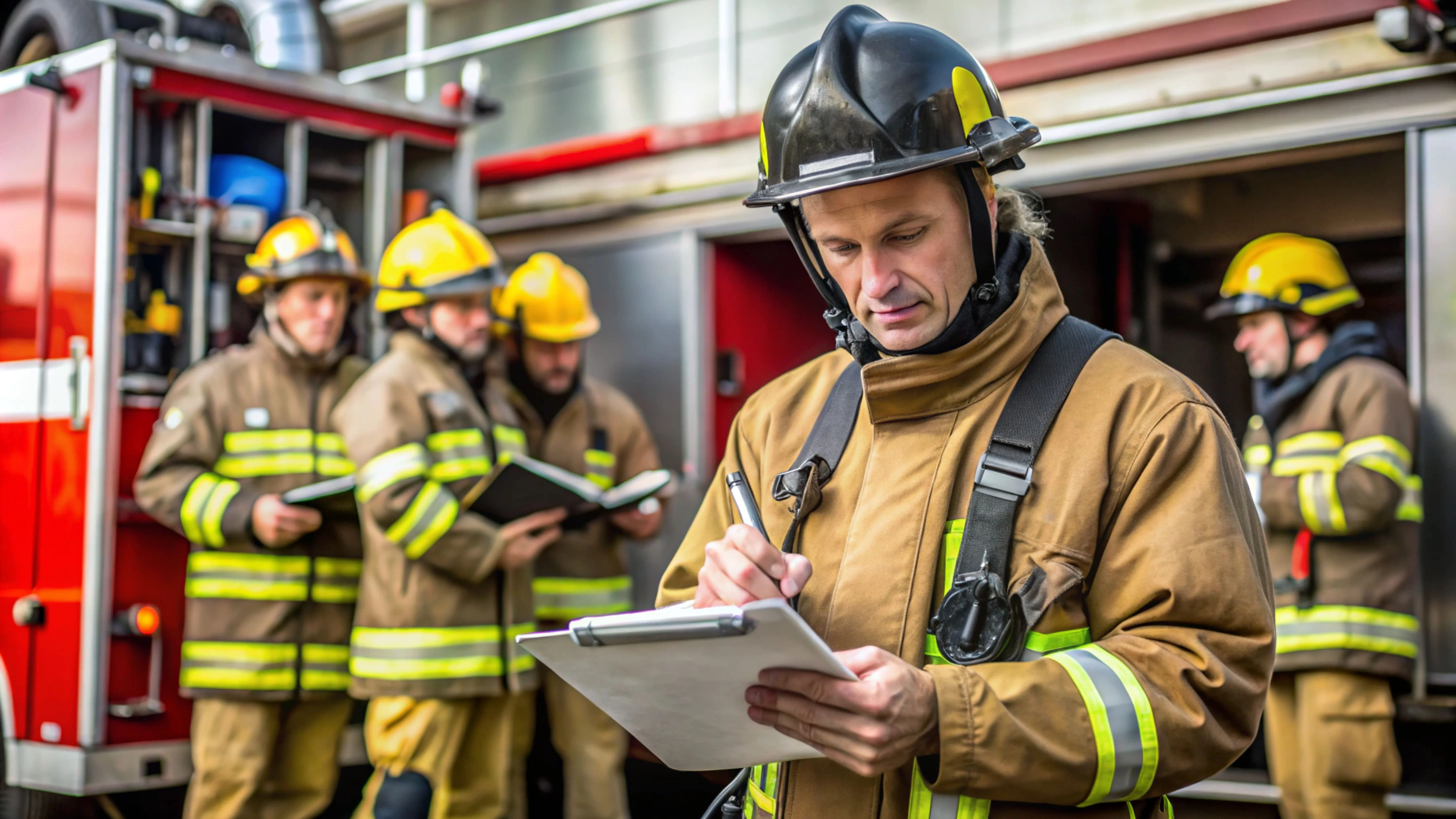
A fire investigator examines the scene of a fire to determine its origin and cause. Their responsibilities include collecting evidence, analyzing burn patterns, interviewing witnesses, documenting findings in reports, and collaborating with law enforcement and insurance companies to fulfill the role of arson investigator. They may also testify in court as expert witnesses.
Fire investigator jobs involve investigating the scene of a fire to determine the origin and cause of the fire. Here are some key responsibilities involved in the job:
- Scene Investigation: Analyzing the fire scene, looking for physical evidence, burn patterns, and potential accelerants. Employers typically require demonstrated field experience; entry-level roles may specify 2–3 years minimum.
- Evidence Collection: Gathering and preserving evidence for further analysis, which may involve fire scene photographs, samples, and witness statements.
- Interviews: Speaking with witnesses, firefighters, and victims to gather information about the incident.
- Report Writing: Documenting findings in detailed reports that may be used in court or by insurance companies. Most job descriptions specify NFPA 921 compliance; proficiency in case management software increasingly listed as required vs. preferred.
- Collaboration: Working with law enforcement, insurance adjusters, and fire departments to share findings and coordinate efforts.
- Testifying: Serving as expert witnesses in legal cases involving arson or fire-related incidents. Senior and consultant-level postings almost always list court testimony experience as required
How the Role Varies by Employer Type
This is what the day-to-day job description looks like in each sector:
- Government/municipal fire marshal's office — heavier caseloads, union pay scales, more arson-specific work
- Private fire investigation firms — insurance-driven, more travel, often contract-based
- Insurance carriers (in-house investigators) — claims-focused, documentation-heavy
- Federal agencies (ATF, FBI) — complex cases, security clearance often required
- Consulting/expert witness work — typically requires 10+ years experience, deposition/court testimony
What is the highest pay for a fire investigator?
The highest pay for a fire investigator can vary significantly based on factors such as location, experience, and whether they work in the public or private sector. On average, salaries can range from $50,000 to over $100,000 annually, with some experienced investigators in high-demand areas earning even more. In certain roles or specialized positions, salaries can exceed $120,000.
What is the difference between a fire investigation and an arson investigation?
A fire investigation is a broader term that encompasses the examination of any fire scene to determine its cause, which may be accidental, natural, or intentional. An arson investigation specifically focuses on fires that are suspected to have been deliberately set. While all arson investigations are fire investigations, not all fire investigations are related to arson.
Where Can You Work as a Fire Investigator?
As of May 2023, 11,010 fire investigators were hired by local governments, and 1,250 were hired by the state government. There are several other places you can get a job as a fire investigator. Here’s a comprehensive list to help you start your fire investigator job search:
- Public safety agencies
- Local government
- State government
- Federal government agencies, like the Bureau of Alcohol, Tobacco, Firearms and Explosives
- Non-profit organizations
- Private fire investigation companies
- Insurance companies
- Freelance consultant or investigator
Government agencies typically hire these professionals to investigate fires on behalf of the public, while private organizations may hire them to investigate fires for insurance claims. You may also be able to get a job as an instructor at a university or college. Keep in mind that there are several specializations you can pursue within the occupation to get specialized jobs.
How Much Do Fire Investigators Make?
The pay scale for fire investigator jobs can vary widely based on the job title, responsibilities involved, geographic area, and other factors. According to BLS, the mean hourly wage for a fire investigator is $39.67, and the mean annual wage is $82,510.
Where to Find Fire Investigator Jobs?
There are a number of resources available to help you with your job search. Here are a few options to consider:
- Job Boards- Sites like LinkedIn, Indeed, and Glassdoor allow you to search for fire investigator jobs in your area and filter by pay, job type, and other factors.
- Government Websites- You can also check city and county websites for fire investigator jobs. Local and state fire marshals’ offices and federal agency websites may also post jobs in their careers section.
- Networking- The International Association of Arson Investigators (IAAI) and other organizations are a good resource for networking with other professionals in the industry. Attend local events, workshops, and industry conferences to network, which can help you find job opportunities that you may have otherwise missed.
- Fire Departments- Many fire departments hire their own investigators. Check their websites or contact their human resources departments directly.
- Private Investigation Firms- Look for firms that specialize in fire investigation. They often list openings on their websites or on job boards.
How To Get a Fire Investigator Job
There are several different pathways to becoming a fire investigator, but the most common involves previous experience in police or fire departments. Here are the steps you’ll typically have to follow to get a fire investigator job:
High School Graduation
Graduating from high school is a prerequisite for most jobs. Students who excel in sciences usually find it easier to get a job as a fire investigator.
Get a Bachelor’s or Associate's Degree
While it’s not mandatory, getting a degree will make more job opportunities accessible to you. Consider getting a degree in criminal justice, engineering, fire science, chemistry, or a related field. You may also need to be trained as an emergency medical technician (EMT) before you can be hired as a firefighter.
Join a Fire Academy
You’ll need to attend a fire academy to get a job as a firefighter. Firefighters need thorough training and intense classroom work to ensure they’ll be able to keep up with the high-intensity nature of arson investigations.
Work in the Police or Fire Department
The next step is to get a job in the police or fire department to gain relevant work experience. This may involve becoming a volunteer firefighter, working in the fire department, or becoming an intern police officer. For some jobs, you may need to get an elevated ranking. These requirements will vary based on region and agency, but ideally, you should gain experience in fire codes, the origin of the fire, and related specialized knowledge.
Get Certified
While you’re working to gain experience, consider enrolling in a cfei certification program to prepare you for a fire investigator job. These courses will provide you with specific training and education in fire investigation and analysis, fire terminology, reporting procedures, and more. There are several specializations you can pursue, such as a focus on forest, warehouse, chemical, electrical, and vehicle fires. You may also receive some legal training since the job involves working with criminal justice professionals and providing testimony.
Apply for a Job
Once you complete your certification program, you can then look for fire investigator jobs that meet your requirements. You’ll need to fill out an application form and may also have to pass a background check to qualify for the job. Check the specific job requirements before you apply.

Trusted by Public and Private Investigator Teams Everywhere
Whether you're a big state agency, a small local fire department or somewhere in between, Blazestack software (NFPA 921® & CJIS compliant) collects fire scene data and generates standardized origin and cause reports in a fraction of the time of other methods.
To learn more about Blazestack, give us a call at (866) 303-4344 or email us at support@blazestack.com
Get Your Free 14-Day Trial and Custom Price Quote Now
We'll let Blazestack do the talking. Try it out right now for free.
A member of our staff will be in touch shortly.