Fire Tetrahedron: 4 Elements, Fire Pyramid & Triangle Explained

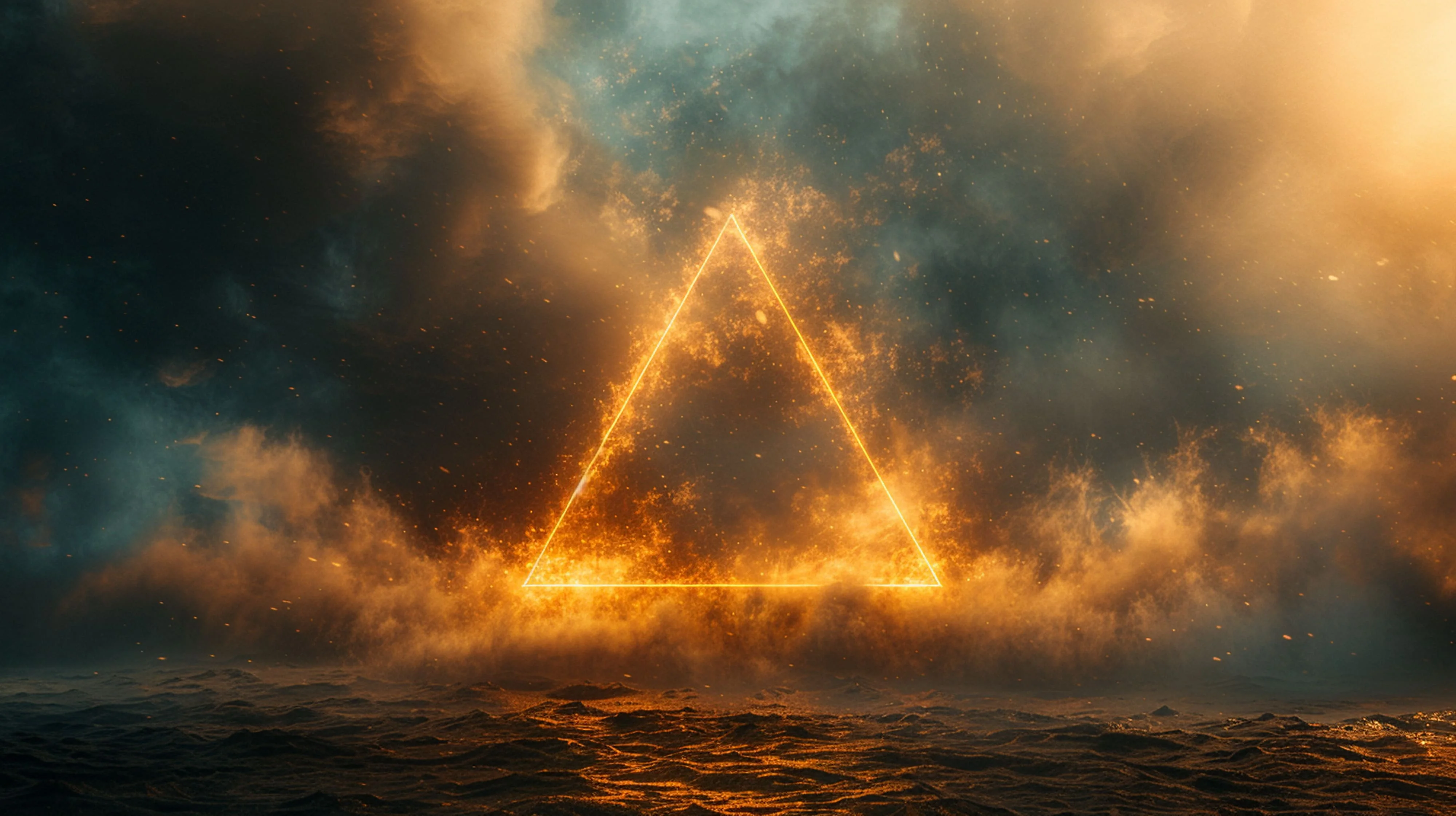
The fire triangle identifies three components required for combustion: fuel, heat, and oxygen. The fire tetrahedron builds on that model by adding a fourth element, the chemical chain reaction, that sustains fire once ignition occurs. Together, these models form the foundation of fire science and underpin every origin and cause determination.
Fire investigators use the tetrahedron to analyse how fires start, sustain, and extinguish. Identifying which element was introduced, removed, or altered at a fire scene directly informs cause determination. The model also explains why certain suppression methods work: water removes heat, foam removes oxygen, halon agents interrupt the chemical chain reaction. Understanding each element and its role in combustion is essential to applying the scientific method in fire investigation and producing defensible findings.
Table of Contents
The fire triangle is also known as the combustion triangle and refers to the three components that are required to ignite and sustain a fire. Oxygen, fuel, and heat are the components that make up a fire triangle.
While it seems like a very simple concept, knowing how a fire sustains itself can help prevent, extinguish, analyze, and investigate fires. The fire triangle collapses when one of these components is removed, and the fire extinguishes.
The fire triangle represented by oxygen, fuel, and heat symbolized the concept of fire for a long time. Over time, further research suggested that there’s a fourth element that’s an equally important element of fire: a chemical chain reaction.
Eventually, the fire triangle was replaced by the fire tetrahedron, also known as the fire pyramid or diamond, to reflect this fourth element. The fire tetrahedron is solid and has four planes representing the four elements that must be present for a fire to occur. The fire will be extinguished if you remove any of these elements.
Oxygen sustains combustion, heat raises the temperature of the material to bring it up to ignition temperature, fuel provides combustible material to keep the fire going, and the exothermic chain reaction of the material sustains the fire once it’s ignited.
This model provides a good look into how you can put out the fire by creating a barrier or applying water to remove one of the elements of the fire. For example, foam starves the fire of oxygen, water lowers the temperature to bring it below ignition temperature, while halon extinguishers and BCF eliminate free radicals that interfere with the chemical chain reaction.
What Is the Fire Pyramid?
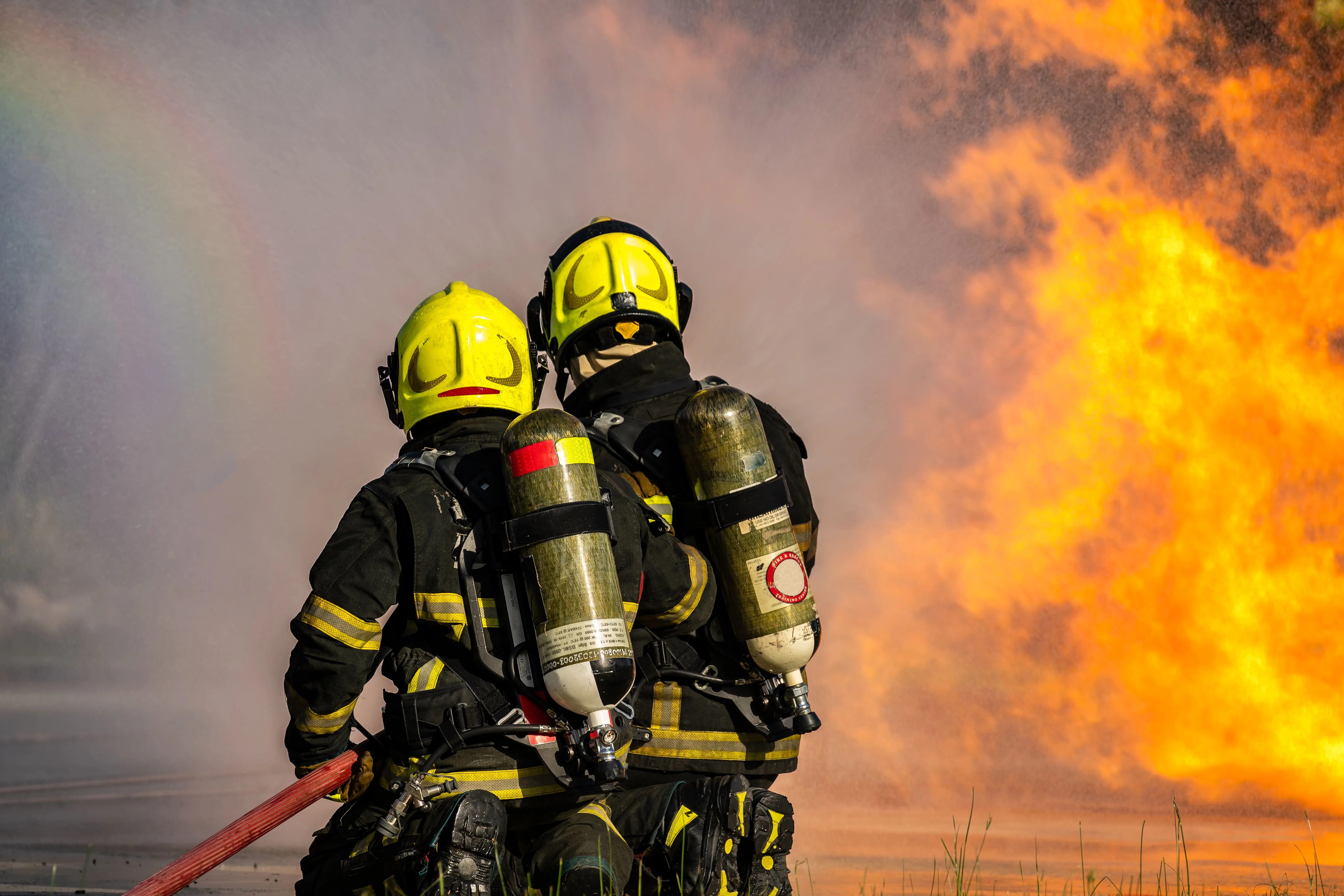
The fire pyramid is an alternative name for the fire tetrahedron. Both terms describe the same four-element model of combustion: fuel, heat, oxygen, and chemical chain reaction. The name "fire pyramid" comes from the shape of the tetrahedron itself, a three-dimensional figure with four triangular faces, which resembles a pyramid.
Some training programmes and textbooks use "fire pyramid" or "fire diamond" instead of "fire tetrahedron." The terminology varies by region and institution, but the underlying model is identical. All four elements must be present for fire to ignite and sustain. Removing any single element extinguishes the fire.
The distinction from the fire triangle is the same regardless of which name is used. The triangle represents three elements (fuel, heat, oxygen). The pyramid/tetrahedron adds the chemical chain reaction as a fourth face, reflecting the scientific understanding that combustion requires not just the right ingredients but a self-sustaining exothermic reaction to continue burning.
Understanding the Chemical Chain Reaction in the Fire Tetrahedron
The main difference between a fire triangle and a fire tetrahedron is that the tetrahedron has a fourth element that plays an important role in fire growth: chemical chain reaction.
The chemical reaction keeps the fire sustained once it starts. During a fire, fuel breaks down into several volatile gases as it is heated. These gases combine with oxygen and then ignite. They release energy in the form of light and heat. The energy heats the surrounding fuel, which continues the combustion cycle.
This chain reaction is crucial for any fire to grow. Understanding how it is influenced by factors like environmental conditions and the type of fuel can help fire investigators identify accelerants that contribute to the fire intensity and determine how fire spreads on a particular scene.
Understanding the four elements of a fire tetrahedron and how they contribute to the intensity and spread of fire helps investigators determine the origin and cause of fires. It’s an invaluable model in the forensic fire investigation community for several reasons.
- Fuel
Fuel is any combustible material that feeds the fire. There are three main types of fuels:
- Solid Fuels: These are materials such as wood, paper, cloth, and plastics. Solid fuels are often characterized by their ignition temperatures and burn rates.
- Liquid Fuels: Gasoline, oils, and alcohols fall under this category. Liquid fuels are typically more volatile and can produce high-intensity flames, making them a major concern in fire investigations.
- Gaseous Fuels: Natural gas, propane, and hydrogen are examples of gaseous fuels. They can ignite quickly and spread rapidly, posing challenges in both residential and industrial settings, especially during explosion investigation.
The type of fuel present in a fire can impact the fire’s behavior, such as its duration, spread rate, and intensity. When investigating a fire scene, you’ll need to determine the type of fuel to understand how it contributed to the development of the fire. Here are a few things to keep in mind when trying to determine the nature of the fuel involved in a fire:
- Flash Point: This is the temperature at which a fuel can produce enough vapor to ignite in the presence of air. Fuels with lower flash points ignite more easily and can make the fire spread faster.
- Ignition Temperature: This is the lowest temperature at which a fuel will catch fire and start burning. Fuels with low ignition temperatures can ignite more readily from heat sources.
- Energy Density: This refers to the amount of energy released when a fuel burns. Different fuels release different amounts of energy, influencing the fire's intensity and duration. Fuels with higher energy densities can create more intense and longer-lasting fires.
You can evaluate fuel sources based on these characteristics to understand how a specific fuel impacted its behavior, which will make it easier to trace a cause and origin.
- Oxygen
Oxygen is an essential component of the combustion process. It’s an important element in the fire tetrahedron for several reasons. Oxygen combines with fuel to produce light and heat, and a fire can’t exist without sufficient oxygen. Oxygen also impacts the fire spread and intensity. Fires tend to burn more intensely in well-ventilated spaces compared to confined environments, where limited oxygen is available.
When investigating a scene, you must think about where oxygen comes from. Here are some sources to consider:
- Ambient Air: This is the most common source, but its availability can vary based on ventilation.
- Chemical Reactions: Some chemical reactions can produce oxygen as a byproduct, which can sustain a fire even in low-oxygen environments.
Understanding the role of oxygen in fire behavior helps investigators assess how ventilation and other factors may have influenced a fire's growth.
- Heat
Heat is what initiates and sustains a fire, and it can be generated from many sources, such as:
- Direct Flames: Matches, lighters, or open flames can provide the necessary heat to ignite combustible materials.
- Electrical Sources: Faulty wiring, overloaded circuits, or malfunctioning appliances can produce heat sufficient to ignite nearby materials.
- Friction: Heat generated from friction can lead to ignition, especially in materials like wood.
One of the most common high-temperature ignition sources in residential and commercial fires is electrical arcing, which can provide more than enough thermal energy to bridge the fire triangle and start a blaze.
Investigators must identify heat sources at a scene to understand how a fire started and spread. Fire can spread through radiation, convection, and conduction. Understanding these heat transfer mechanisms can help you determine how heat impacts fire behavior. Ignition conditions, such as the distance between heat sources and fuels, can also help you determine the specific conditions and cause of the fire.
- Chemical Chain Reaction
The fourth element of the fire tetrahedron is the chemical chain reaction, which involves fuel breakdown and energy release. Here’s what the process involves:
- Fuel Breakdown: As fuel is heated, it decomposes into volatile gases, which mix with oxygen and ignite.
- Energy Release: The reaction generates heat and light, sustaining the fire and allowing it to grow.
In extreme fire conditions involving pressurized containers, this chain reaction can escalate into a Boiling Liquid Expanding Vapor Explosion, commonly known as a BLEVE.
It’s important to understand chemical chain reactions because they help explain why some fires can spread quickly or intensify suddenly under some conditions. When analyzing a scene, look for accelerants, which are substances that can speed up a fire’s chemical reactions. Another important consideration is feedback loops. The energy released during combustion heats nearby fuel, which can lead to further ignition and fire spread.

Understanding the four elements of a fire tetrahedron and how they contribute to the intensity and spread of fire helps investigators determine the origin and cause of fires. It’s an invaluable model in the fire investigation community for several reasons.
Helps Analyze Fire Scenes
The tetrahedron provides a structured approach for investigators to analyze fire scenes. When investigating a fire scene, you can check for the presence or absence of each component. This will help you gather evidence that may indicate how the fire ignited and spread.
Helps Identify Patterns
he model can also help you recognize arson burn patterns related to fuel distribution, heat sources, and oxygen availability to get a better understanding of fire dynamics. For example, the materials involved in the fire can determine whether they contributed to a slow-burning fire pattern or rapid spread..
Helps Conduct Root Cause Analysis
Understanding the interactions between the tetrahedron's elements can help you find the root cause of a fire. Investigators can determine whether a fire resulted from human error, faulty equipment, or other factors.
While the fire triangle was a well-known and widely accepted model for years, the fire tetrahedron introduced chemical reactions as a crucial component that contributes to the fire. As a fire investigator, understanding fire behavior is a part of the job. The fire tetrahedron model is a simple but essential model that can help you understand why a fire behaves a certain way under some circumstances.
While the fire tetrahedron is widely used by agencies all over the world to improve fire safety, fire prevention, and suppression strategies, it’s also an important concept for fire investigation.
What are the four elements of the fire tetrahedron?
The four components of the fire tetrahedron are fuel, heat, oxygen, and the chemical chain reaction. Each element is important for the ignition and sustainability of a fire.
What is the difference between the fire triangle and tetrahedron?
The fire triangle consists of three elements: fuel, heat, and oxygen. The fire tetrahedron expands on this model by adding the chemical chain reaction, which is important for sustaining fire.
What are the four stages of a fire?
The four stages of a fire typically include:
- Ignition: The initial phase where the fire starts.
- Growth: The fire begins to spread and increase in intensity.
- Fully Developed: The fire reaches its maximum size and intensity.
- Decay: The fire diminishes as fuel is consumed or oxygen is depleted.
What is the fourth element of the fire tetrahedron?
The fourth element is the chemical chain reaction. The fire triangle identifies three elements required for combustion: fuel, heat, and oxygen. The fire tetrahedron adds the chemical chain reaction as a fourth element, recognising that combustion is a self-sustaining exothermic process. During burning, fuel breaks down into volatile gases that combine with oxygen, ignite, and release energy. That energy heats surrounding fuel, continuing the cycle. Without this chain reaction, the other three elements may be present but fire will not sustain itself. Suppression agents like halon and clean agents work specifically by interrupting this chain reaction rather than removing fuel, heat, or oxygen.
What is the difference between the fire triangle and the fire tetrahedron?
The fire triangle represents the three elements needed to start a fire: fuel, heat, and oxygen. Remove any one element and fire cannot ignite. The fire tetrahedron expands this model by adding a fourth element, the chemical chain reaction, that explains how fire sustains itself after ignition. The triangle describes ignition requirements. The tetrahedron describes both ignition and sustained combustion.
For fire investigators, the tetrahedron is the more complete model because it accounts for why certain fires self-extinguish (the chain reaction breaks down) and why specific suppression methods target different elements. NFPA 921 references the tetrahedron as the standard combustion model for fire investigation.
What is the chemical chain reaction in fire?
The chemical chain reaction is the self-sustaining cycle that keeps fire burning once ignition occurs. Heat breaks fuel down into volatile gases through pyrolysis. These gases mix with oxygen and combust, releasing energy in the form of heat and light. The released heat then pyrolyses more fuel, generating more volatile gases, which combust and release more energy.
This cycle repeats continuously as long as fuel, heat, and oxygen remain available. Interrupting the chain reaction extinguishes the fire even when the other three elements are still present. This is the principle behind halon extinguishers and clean agent suppression systems, which work by removing free radicals from the combustion process rather than by cooling, smothering, or removing fuel.
Why is the fire tetrahedron important for fire investigation?
The fire tetrahedron gives investigators a framework for analysing how a fire started, sustained, and eventually extinguished. At every fire scene, investigators determine which elements were present, how they interacted, and which element's removal caused extinguishment. If a fire self-extinguished in a sealed room, oxygen depletion is the likely cause. If a fire burned intensely in one area and not an adjacent area with similar fuel, the heat or chain reaction conditions differed.
The model also helps investigators evaluate whether accelerants were introduced (adding fuel and enhancing the chain reaction) or whether suppression systems functioned correctly (targeting specific elements). Understanding the tetrahedron is foundational to applying fire dynamics principles at any scene.


Trusted by Public and Private Investigator Teams Everywhere
Whether you're a big state agency, a small local fire department or somewhere in between, Blazestack software (NFPA 921® & CJIS compliant) collects fire scene data and generates standardized origin and cause reports in a fraction of the time of other methods.
To learn more about Blazestack, give us a call at (866) 303-4344 or email us at support@blazestack.com
Get Your Free 14-Day Trial and Custom Price Quote Now
We'll let Blazestack do the talking. Try it out right now for free.
A member of our staff will be in touch shortly.