Fire Inspection Requirements by State: The 2026 Practical Guide

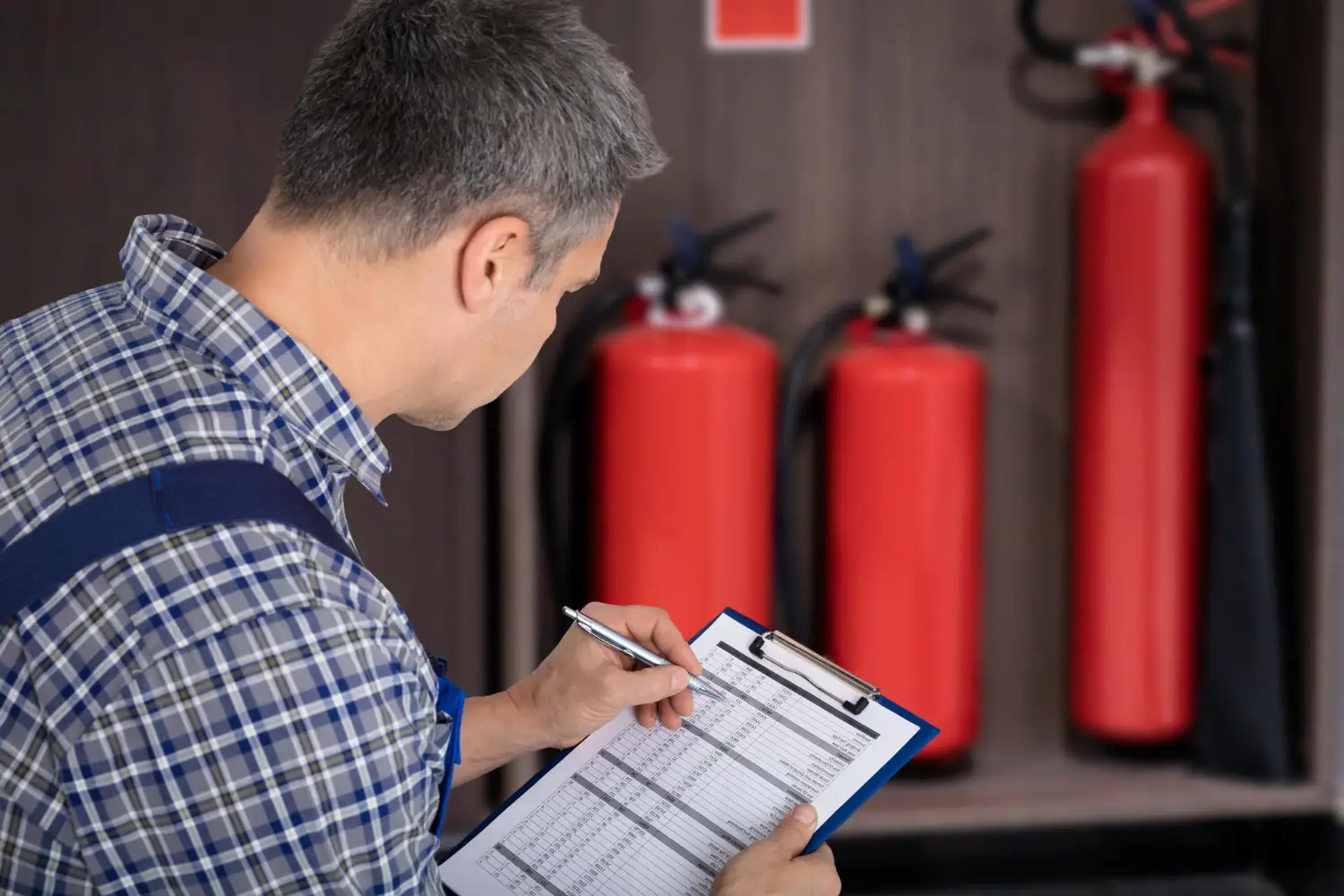
Fire inspections requirements aren't bureaucratic paperwork, they're about keeping people alive and your business running. Every state handles fire safety differently, which means what passes inspection in California might fail in Texas, even when both states reference the same basic fire codes.
The numbers tell the story: nearly 1.3 million fires that fire departments in the US responded to last year, roughly 3,700 people died, 16,600 were injured, and $14.8 billion worth of property was lost according to the NFPA. That's why these inspections exist, and why every state takes them seriously, just in different ways.
Understanding what constitutes proper fire investigation methodology helps clarify why inspection requirements exist and how they integrate with broader fire safety protocols.
The National Fire Protection Association (NFPA) creates baseline fire safety codes, but states pick and choose which versions to adopt. Some implement the latest NFPA editions while others stick with older versions for years. This creates real problems when you're trying to maintain consistent safety standards across multiple locations.
Federal guidelines set the foundation, but states call the shots on implementation. These are substantial variations that affect your bottom line and compliance costs.
The connection between NFPA 1033 and NFPA 921 standards demonstrates how federal guidelines create the foundation for state-level implementation variations.
Regional Priorities Drive Different Rules
California focuses on seismic safety and wildfire prevention. Florida worries about hurricane preparedness and coastal building requirements. Texas emphasizes oil and gas facility safety. These don’t come as minor tweaks; they're completely different approaches based on what each state considers their biggest fire risks.
Commercial facilities consistently face stricter requirements than residential properties across all states. The inspection frequency, documentation requirements, and penalty structures all escalate when you move from residential to commercial classifications. Healthcare facilities, schools, and high-rise buildings fall into specialized categories with even more demanding protocols.
Interstate Commerce Complications
If your business operates across state lines, you'll need to comply with varying fire safety standards while also meeting federal oversight requirements. The coordination between different regulatory bodies isn't always seamless, which can leave you caught in conflicting requirements.
Emergency response integration adds another layer. Many states require coordination between fire inspection departments and emergency response teams. Your inspection documentation might need specific information about emergency access routes, water supply availability, and communication protocols that first responders would need during an actual incident.
Some states accept digital records and electronic signatures. Others still require physical paperwork with wet ink signatures. Businesses scramble when they assume their digital systems work everywhere.
The Digital Divide in Documentation
Progressive states embrace electronic systems, but traditional jurisdictions maintain paper-based requirements. You'll need systems that can accommodate both approaches if you operate in multiple states.
Record retention periods differ significantly. Some states require five years of documentation, others demand ten years, and a few have indefinite retention requirements for certain violations or incidents.
Effective chain of custody procedures become critical when documentation must meet varying state standards for legal admissibility.
OFD-FPB released the new intake forms for New Construction/Tenant Improvement Inspections, Annual Inspections, and Mobile Food Vending which are found in the Documents links above. Beginning September 8, 2025, OFD-FPB will only accept and process the new versions of the intake forms" Oakland Fire Department. This demonstrates how documentation requirements continue evolving, requiring businesses to stay current with changing forms and procedures.
What Gets Inspected
Your property type determines everything from inspection frequency to specific systems that need evaluation. A small office building gets basic checks, exits, emergency lighting, fire extinguishers. A manufacturing facility needs specialized suppression systems, hazardous material protocols, and industrial-grade testing procedures.
Professional fire scene investigation checklists provide the systematic approach that inspection procedures require for thoroughness and legal compliance.
Mixed-Use Buildings Present Unique Challenges
A mixed-use building with retail on the ground floor, offices on floors 2-5, and residential units on floors 6-10 requires three different inspection protocols. The retail space needs commercial egress calculations and specialized suppression systems, the office floors require business occupancy standards with different emergency lighting requirements, and the residential floors follow apartment building codes with distinct fire separation requirements.
Equipment Testing You Can't Skip
Equipment testing goes beyond basic functionality checks. Suppression systems need pressure testing, flow rate verification, and component inspection. Detection systems require sensitivity calibration and response time measurement.
Essential Testing Schedules:
- Sprinkler systems: Monthly visual checks, quarterly flow tests, annual full inspections
- Fire alarms: Monthly testing, annual certification, battery replacement schedules
- Emergency lighting: Monthly 30-second tests, annual 90-minute full discharge tests
- Fire extinguishers: Monthly visual inspections, annual professional servicing
Modern detection systems use sophisticated sensors that drift over time. Regular calibration ensures these systems maintain sensitivity within acceptable parameters. Multi-sensor systems add complexity since each sensor type has different calibration requirements and schedules.
Here's where the differences impact your operations. Each state brings unique requirements based on their specific risks and regulatory priorities:
The Big Three Things Every State Cares About:
- Emergency egress calculations and occupancy load determinations - Can people get out quickly and safely?
- Fire suppression system maintenance and testing schedules - Will the sprinklers work when needed?
- Detection systems - Will alarms give people enough warning time?
Everything else varies by location, but mess up these three fundamentals and you're in trouble everywhere.
Understanding building inspection essential practices becomes critical when dealing with complex facilities that require specialized assessment approaches across different jurisdictions.
Enforcement is about understanding how violations get classified and what your options are when problems arise. Violations fall into categories, and the category determines your timeline to fix problems.
Critical violations shut you down immediately. Non-functional sprinkler systems, blocked exits, or exposed electrical hazards don't get grace periods. These violations that pose immediate life safety hazards can close your operation instantly.
Major violations give you 30-90 days to fix problems like outdated fire extinguishers or insufficient emergency lighting.
Minor violations might allow six months for issues like missing documentation or cosmetic fire door problems.
Real-World Example:
A restaurant receives a critical violation notice for a non-functional kitchen suppression system during peak dinner service. The fire inspector immediately restricts cooking operations until the system is repaired and tested by a certified technician. The business must provide documentation of repairs, pass a reinspection, and pay escalating daily penalties until compliance is restored. The entire process, from violation to reopening, takes 72 hours and costs $8,500 in repairs, penalties, and lost revenue.
Appeals Process That Actually Works
You can fight violations, but the clock keeps ticking on corrections while you appeal. Administrative hearings move fast because public safety is involved. Appeal processes vary by jurisdiction, but most provide due process protections through compressed timelines to maintain public safety priorities.
Bring documentation and professional opinions, emotional arguments don't work with fire marshals. Complex violations might require independent professional verification before you can resume normal operations.
Smart building systems are creating new compliance challenges faster than regulations can keep up. IoT devices, building automation systems, and AI-powered detection create new monitoring capabilities, but they also introduce cybersecurity and data privacy considerations that traditional fire codes don't address.
Current Technology Problems:
- Cybersecurity requirements for connected fire safety devices
- Algorithm accuracy standards for AI detection systems
- Data privacy rules for building occupancy monitoring
- Integration testing for multiple smart systems
Smart Building Integration Challenges
Connected fire safety devices must meet both traditional performance standards and modern cybersecurity requirements. The integration of multiple systems creates new testing protocols and verification procedures that many inspectors aren't yet equipped to handle.
AI-enhanced detection systems and multi-sensor fusion technologies require specialized testing to verify algorithm accuracy and response reliability. These systems promise better fire detection capabilities, but they also introduce complexity that traditional inspection methods don't cover.
The evolution toward AI applications in fire investigation demonstrates how technology is reshaping traditional inspection and analysis methodologies.
What's Coming Next:
Predictive analytics that identify fire risks before incidents occur. Advanced detection that reduces false alarms while improving response times. Automated compliance reporting that tracks inspection requirements across multiple jurisdictions.
Data Privacy and Security Concerns
Internet-connected fire safety devices become potential entry points for cyberattacks. Compromised systems could disable protection during emergencies or provide false alarms that undermine emergency response effectiveness.
Fire safety system data often includes sensitive information about building operations, occupancy patterns, and security vulnerabilities. Regulatory frameworks are still developing standards for data retention, access controls, and protection from unauthorized disclosure.
The challenge? Most fire inspectors aren't trained on these technologies yet. Expect growing pains as smart building features outpace inspector knowledge and regulatory frameworks.
If you operate in multiple states, build systems around the strictest requirements you'll encounter. It's easier to exceed standards than scramble to meet different ones in each location.
Implementation Steps for Multi-State Operations:
- Map your requirements - Research state-specific regulations in each operational state before you start operations
- Standardize documentation - Create record-keeping systems that exceed the most stringent jurisdictional requirements
- Train for variations - Ensure staff understand regional differences and compliance protocols for each location
- Build inspection checklists - Develop comprehensive checklists that address all applicable standards across jurisdictions
- Monitor changes - Stay current with evolving requirements and code updates through official channels
- Build relationships - Get to know local fire marshals before you need them
The key is building systems that accommodate the highest standards you'll encounter, then scaling back where regulations are less stringent rather than trying to scale up for each jurisdiction.
Professional Certification Across State Lines
Professional certification requirements differ dramatically between states. Some offer multiple pathways including formal education, apprenticeships, and experience-based qualification systems. Others maintain strict educational requirements with limited alternatives.
The distinction between NAFI and IAAI certification programs illustrates how different professional pathways create varying qualification standards across jurisdictions.
Professional mobility between states faces significant barriers. Reciprocity agreements exist between some states, but they're not comprehensive. Moving your certification to a new state often requires additional testing, education, or experience verification.
The Bureau of Labor Statistics projects that overall employment of fire inspectors will grow 6 percent from 2026 to 2034, faster than the average for all occupations, indicating growing demand for certified professionals in this field.
Chemical storage, manufacturing, and industrial operations can't use standard inspection approaches. These facilities present unique fire hazards that require specialized knowledge and enhanced protocols beyond generic checklists.
Specialized Assessment Requirements
Chemical storage areas need hazmat compatibility assessments alongside traditional fire safety evaluations. Manufacturing facilities require process-specific fire prevention protocols that account for production materials and methods. Each industry brings its own set of challenges that standard inspection protocols simply can't address.
Industrial properties present unique challenges with specialized equipment, hazardous materials, and complex production processes that create specific fire risks. Inspectors need expertise in industrial fire suppression systems, explosion prevention, and process safety management.
High-Rise Building Complexities
High-rise structures require specialized fire safety systems including pressurized stairwells, emergency communication systems, and coordinated evacuation procedures. The inspection protocols must verify individual system functionality and integration between multiple safety systems.
A chemical manufacturing plant requires inspection of specialized foam suppression systems for flammable liquid storage areas, dry chemical systems for electrical equipment, and custom-designed suppression systems for reaction vessels. Each system has different testing protocols, maintenance schedules, and documentation requirements that must be coordinated with production schedules to minimize operational disruption.
Emergency Closure Protocols: When Things Go Wrong Fast
When inspectors identify critical life safety violations, the response is immediate and non-negotiable. Emergency closure protocols kick in when conditions pose imminent danger to occupants. These aren't situations where you get time to fix problems, operations stop until hazards are eliminated.
The notification requirements during emergency closures involve multiple parties: building occupants, emergency services, regulatory agencies, and often media outlets for public facilities. The coordination requirements are extensive, and the documentation standards are rigorous since these actions often face legal challenges.
Complex violations require independent professional verification before facilities can reopen. This means proving to regulatory authorities that corrections meet all applicable standards. The verification process can involve multiple inspections, testing protocols, and documentation reviews.
Managing fire inspection requirements across multiple jurisdictions creates documentation challenges that traditional methods can't handle efficiently. Blazestack's case management software helps fire investigators and inspection professionals maintain compliant records, generate standardized reports, and ensure adherence to evolving NFPA standards across all jurisdictions.
If you're conducting routine inspections or investigating complex fire incidents, Blazestack's cloud-based platform provides the organizational tools needed to manage evidence, document findings, and collaborate effectively with stakeholders. The platform adapts to different state requirements while maintaining the comprehensive documentation standards that modern fire investigation work demands.
Discover how Blazestack can streamline your fire investigation workflow →
To simplify your compliance in 2026, the final step is to move away from manual checklists and paperwork that can be lost or scrutinized in court. Blazestack is the industry-leading platform designed to bridge the gap between fire inspections and investigations, ensuring every piece of data is NFPA-compliant and audit-ready.
Don't wait for a violation or an incident to realize your documentation is insufficient. Use BlazeStack to centralize your fire safety management:
- Automate Your NFPA Reporting: Instantly generate reports that are fully compliant with NFPA 921, 1033, and 1321 standards.
- Eliminate Paperwork Fatigue: Use the mobile-first interface to log system tests, capture timestamped photos, and record evidence directly from the field.
- Stay Court-Ready: BlazeStack’s secure, CJIS-compliant cloud storage ensures that your inspection history and chain of custody are bulletproof if ever needed for legal or insurance purposes.
- Increase Efficiency by 62%: Replace slow, manual data entry with AI-powered tools that transcribe witness statements and pull weather/VIN data automatically.
Ready to streamline your department or building’s fire safety? Start Your Free 14-Day Trial of BlazeStack Today
Editorial note: All amounts and examples in this article are approximate and for illustrative purposes only. Always review the latest version of your state and local fire codes and regulations, and consult qualified professionals as needed. This article is for general informational purposes and does not constitute legal or compliance advice.


Trusted by Public and Private Investigator Teams Everywhere
Whether you're a big state agency, a small local fire department or somewhere in between, Blazestack software (NFPA 921® & CJIS compliant) collects fire scene data and generates standardized origin and cause reports in a fraction of the time of other methods.
To learn more about Blazestack, give us a call at (866) 303-4344 or email us at support@blazestack.com
Get Your Free 14-Day Trial and Custom Price Quote Now
We'll let Blazestack do the talking. Try it out right now for free.
A member of our staff will be in touch shortly.