Fire Inspector Training Program: Choose Without Getting Burned (2026)

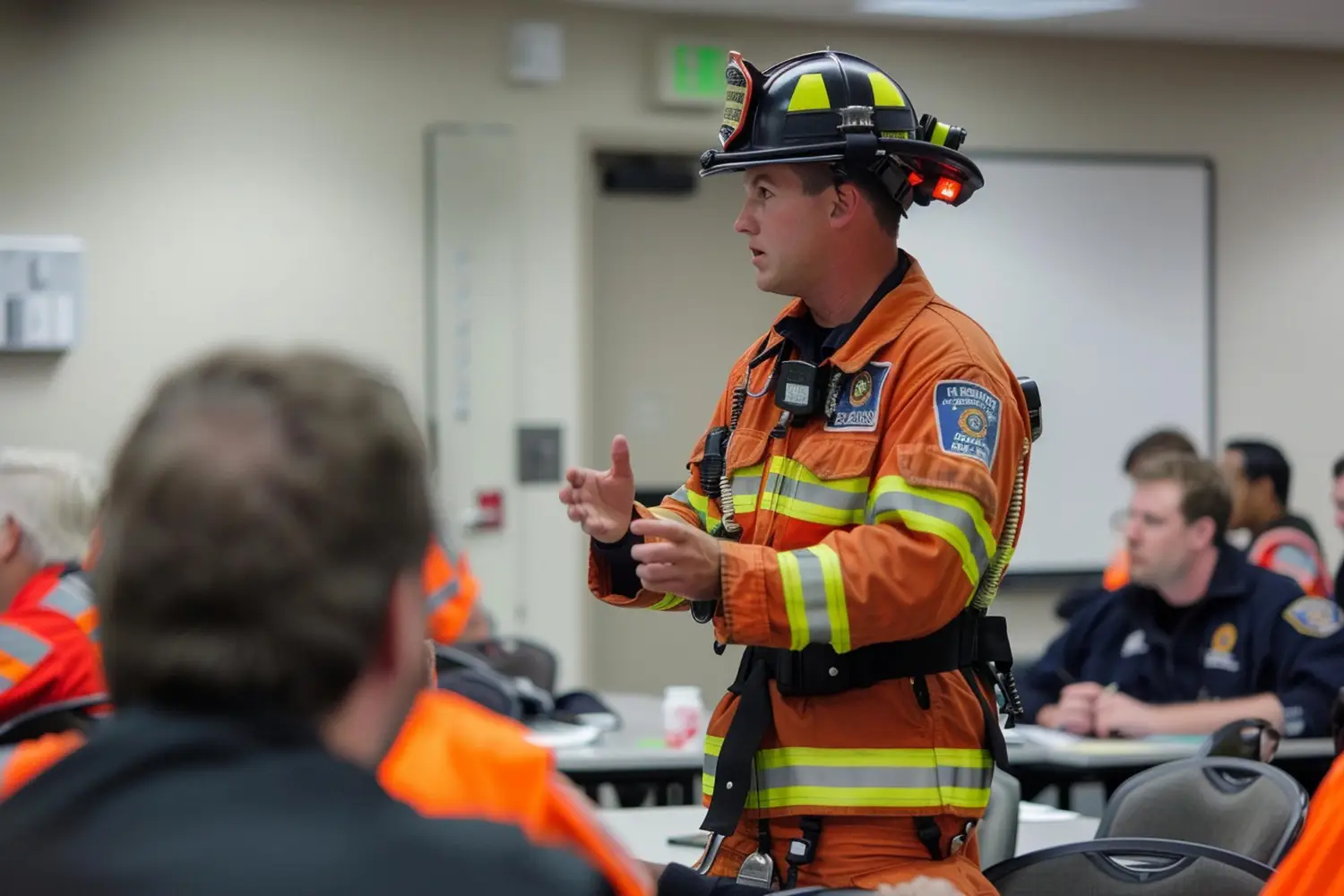
Choosing the right fire inspector training program is the most critical decision you will make for a career in public safety. With a growing field offering solid job security, it's important to cut through the junk, and find a curriculum that truly prepares you for the real job.
This guide is your blueprint to dominate the training landscape, focusing on programs that rigorously adhere to NFPA 1031 standards, cover necessary skills in fire science and building systems, integrate modern technology, and ultimately lead to a successful, advanced professional career.
Have you noticed how there’s always something about fire inspector training? There's a lot of junk out there, and some programs that'll take your money without preparing you for the real job. I've talked to enough inspectors who learned more in their first month on the job than in their entire training program.
The fire inspection field offers solid career opportunities. Local government fire agencies employ 73 percent of all fire inspectors, with state agencies hiring another 17 percent. That's job security in public safety work.
But here's what separates the good training from the bad: programs that follow NFPA 1031 standards and prepare you for real, world situations, not just textbook scenarios. Understanding what is fire inspection gives you the foundation to evaluate if a program will prepare you for the job.
In the past, you only had to worry about NFPA 1031. But after the 2024-2025 cycle, the NFPA consolidated several professional qualification standards. NFPA 1030 is now the comprehensive umbrella standard that covers Fire Inspector, Plan Examiner, and Fire Life Safety Educator roles.
This shift is the first test of your professional currency. NFPA 1030 (which incorporates the legacy 1031 requirements) provides the literal blueprint for what you need to know at each career level:
- Inspector I (Legacy 1031): Covers the basics: routine inspections, spotting common hazards, and understanding fundamental codes.
- Inspector II: Steps into complex scenarios, multi-layered plan reviews, and advanced code interpretation.
- Inspector III: This is management and program development territory, focusing on administration and policy.
Here's a real example: An Inspector I might spend their day checking fire extinguishers and exit signs at a strip mall. After advancing to Inspector II, they're reviewing construction plans for a new apartment complex and inspecting manufacturing facilities with specialized suppression systems.
Technology Changes Everything (Like It or Not)
Gone are the clipboard days. Today's inspectors use tablets, digital cameras, and cloud-based reporting. Your training should include this stuff from day one, not as an afterthought.
A veteran inspector in Seattle told me he wished his original training had covered digital systems. Instead, he spent months fumbling with new software while trying to keep up with inspections. The learning curve was brutal because he had to master technology and inspection skills simultaneously.
Good fire inspector training isn't just about memorizing codes. You need to understand the science behind why things burn, how buildings are designed to contain fires, and what happens when hazardous materials get involved.
Fire Science: The Foundation You Can't Skip
Understanding fire behavior, heat transfer, and combustion chemistry isn't academic busy work. This knowledge helps you spot why certain materials create hazards and how building design affects fire spread.
When you're inspecting a warehouse storing paint and cleaning supplies, you need to know how those materials interact during a fire. Will they create toxic gases? Do they have different ignition temperatures? Your fire science background directly impacts these decisions.
Learning fire behavior key elements and techniques for analysis gives you the scientific foundation to make better inspection decisions and identify hazards others might miss.
Building Systems: Knowledge That Grows
Modern buildings have sprinkler systems, smoke management systems, and fire alarms that you'll need to understand inside and out. But here's the key: you need experience, not just theory.
Each system has specific failure points. Sprinkler systems might have water pressure problems, fire alarms could have communication issues. You need to know what to look for and how to verify everything works properly.
Understanding fire suppression system inspection techniques ensures you can properly evaluate these critical safety systems during your inspections.
Hazardous Materials Are More Complex Than You Think
Chemical storage regulations get complicated fast. You'll deal with DOT classifications, NFPA 704 diamond markings, and EPA storage requirements regularly when inspecting industrial facilities, labs, and even retail stores.
The tricky part is chemical compatibility. Some chemicals that seem harmless alone become dangerous when stored together. Your training should cover these interactions so you can spot potential problems before they become disasters.
Fire Extinguisher Training Essentials:
☐ P, A, S, S technique (Pull, Aim, Squeeze, Sweep)
☐ Class A, B, C, D, and K fire types
☐ Multipurpose extinguisher ratings (2A:10B:C)
☐ 30, day inspection schedules
☐ Maintenance and 12, year replacement rules
Not all training programs are created equal. Some are run by people who haven't been in the field for years, while others are taught by instructors who are actively working as inspectors or fire marshals.
Look for the Right Endorsements
Programs backed by the International Association of Fire Chiefs (IAFC), National Association of Fire Investigators (NAFI), or International Association of Arson Investigators (IAAI) typically maintain higher standards. These organizations review curricula to make sure it's current and useful.
But endorsement alone isn't enough. Dig deeper into instructor qualifications. Quality programs use instructors with active field experience and advanced certifications like Certified Fire Inspector (CFI) or Fire Marshal credentials.
The National Fire Protection Association (NFPA) provides Certified Fire Inspector I and II/Certified Fire Plan Examiner examinations and training programs in 300 cities worldwide showing how standardized professional fire inspector education has become.
Understanding the differences between NAFI and IAAI certification programs helps you choose the right credentialing path for your career goals.
Instructor Experience Makes or Breaks the Program
Real-world experience translates into practical training. I've sat through programs where instructors had impressive academic credentials but limited field experience. They could teach theory but struggled with practical scenarios.
Look for instructors who hold certifications like Certified Fire Investigation Instructor (CFII) or current Fire Marshal positions. These professionals bring current challenges and solutions into the classroom, making your education immediately applicable.
Modern fire inspector training comes in several formats, and the right choice depends on your situation, learning style, and current job commitments.
Classroom Training is Still the Gold Standard
In-person training gives you empirical experience with actual fire protection systems, building walkthroughs, and immediate instructor feedback. There's something irreplaceable about physically walking through a building with an experienced instructor, learning to spot issues that aren't obvious in photos or videos.
During a typical classroom session, you might practice testing a fire alarm system in a mock commercial kitchen. You learn proper heat detector placement, verify notification coverage, and understand how cooking vapors cause false alarms, knowledge that's tough to convey online.
Online and Hybrid Options for Professionals
Quality online programs include interactive simulations, virtual building tours, and video demonstrations. The key is finding programs that keep you engaged and provide practical application despite the digital format.
Hybrid programs combine online theory with in-person practical exercises, maximizing flexibility. This works well for working professionals who need schedule flexibility but don't want to sacrifice practical training.
Mobile Learning for Continuous Development
Progressive programs include smartphone, compatible modules that let you study during downtime. These often include code reference tools, inspection checklists, and photo documentation examples that serve as ongoing professional resources.
The convenience factor is huge. Being able to review code sections or inspection procedures while waiting between appointments or during lunch breaks maximizes your learning time and reinforces key concepts.
Once you got the basics covered, specializing in specific areas can significantly increase your value and earning potential. Different specializations fit different markets and career goals.
Industrial and Hazmat Specialization
Programs focusing on industrial fire safety provide intensive training in process safety management, chemical compatibility, and specialized suppression systems. You'll learn to inspect petroleum facilities, chemical manufacturing plants, and pharmaceutical laboratories.
Industrial inspections require understanding complex processes and their fire risks. A chemical plant inspection involves evaluating not just storage areas but also production processes, waste handling, and emergency response capabilities. The stakes are higher, and the knowledge requirements are more specialized.
High-Rise and Complex Buildings
Specialized training for high-rise buildings covers pressurized stairwells, elevator recall systems, and mass notification technologies. This specialization proves valuable in urban markets where tall buildings are the rule.
High-rise inspections involve unique challenges like smoke management systems, fire department access, and evacuation procedures for large populations. The complexity increases with building height, requiring specialized knowledge of systems designed to function during emergencies.
Healthcare and Institutional Facilities
Healthcare facility inspection requires understanding life safety codes, medical gas systems, and patient evacuation procedures. Training includes hospital, specific regulations, nursing home requirements, and assisted living facility standards.
Healthcare facilities present unique challenges because occupants may have limited mobility or require life support systems. Your inspection approach must consider these vulnerabilities while ensuring compliance with specialized codes.
In a hospital setting, you must understand how to evaluate fire safety in oxygen-rich operating rooms, ensure proper compartmentalization to protect patients who can't be easily evacuated, and verify that medical gas shut-off systems function correctly during emergencies.
New technologies are transforming both how fire inspectors learn and how they do their jobs. Keeping up with these changes helps you choose training that prepares you for the future, not just today's requirements.
Artificial Intelligence and Predictive Analytics
AI-powered risk assessment tools analyze historical data, building characteristics, and occupancy patterns to prioritize inspection schedules. Training includes data interpretation, understanding algorithm limitations, and learning how to collaborate effectively with technology.
These systems excel at pattern recognition and data analysis but still require human judgment for complex scenarios and unusual circumstances. Understanding AI for fire investigation applications helps you leverage technology effectively while maintaining critical human oversight.
Virtual Reality and Simulation Training
3D virtual environments let trainees practice inspections in hazardous or hard-to-access locations. You can repeatedly inspect the same facility, comparing your findings with expert analyses to improve accuracy and efficiency.
Virtual reality simulations place
Virtual reality simulations place inspectors in emergency situations, teaching appropriate responses to active fire scenes, structural collapses, or hazardous material incidents. This training proves invaluable for developing crisis management skills without safety risks.
Internet of Things and Smart Building Systems
Connected building systems provide real-time data about fire safety system status, occupancy levels, and environmental conditions. IoT-enabled fire protection systems allow continuous monitoring between physical inspections.
Training covers data analysis, alarm verification, and remote testing protocols while maintaining hands-on inspection skills. You'll also learn about cybersecurity considerations since network, connected systems introduce new vulnerabilities.
Quality training programs track their graduates' success and continuously improve based on real-world feedback. Here's a quick guide on how to identify programs that deliver results.
Graduate Performance and Job Placement
Long-term outcome assessment follows graduates into their careers, measuring job performance, certification pass rates, and employer satisfaction. Programs that track graduate success demonstrate commitment to quality and continuous improvement.
They're also more likely to maintain industry relevance because they receive ongoing feedback about program effectiveness and job market demands.
Industry Feedback and Advisory Committees
Employer advisory committees provide ongoing input about skill gaps, emerging needs, and training quality. Regular feedback ensures programs remain relevant to actual job requirements and industry evolution.
This feedback loop helps programs adapt to changing technology, new regulations, and evolving industry practices. Programs without industry input risk becoming outdated or irrelevant to current job requirements.
External Evaluation and Benchmarking
External evaluation teams conduct periodic program audits, reviewing curriculum content, instructor qualifications, and student outcomes. These reviews identify improvement opportunities and validate program quality.
Comparative analysis with leading programs identifies innovative approaches, efficiency improvements, and outcome optimization strategies. This benchmarking drives program evolution and maintains competitive positioning.
Your initial training is just the beginning. The fire safety field continues evolving with new technologies, updated codes, and emerging challenges. Staying current requires ongoing commitment to professional development.
Certification Maintenance Requirements
Most certifying organizations require annual CEU accumulation ranging from 12 to 40 hours depending on certification level. Programs must be approved by recognized organizations and cover relevant topics like code updates, new technologies, or inspection techniques.
Certification renewal periods typically range from two to five years, with requirements varying by organization. Some require written examinations, while others accept portfolio submissions demonstrating continued professional growth and competency.
Continuing Education Planning:
☐ Track certification renewal dates and requirements
☐ Monitor CEU hours earned throughout the year
☐ Plan attendance at approved conferences and workshops
☐ Document specialized training completed
☐ Maintain portfolio of professional development activities
☐ Schedule refresher training for complex systems
☐ Review updated codes and standards annually
Professional Development and Networking
Attending professional conferences like the IAAI Annual Training Conference or NFPA Conference & Expo provides access to cutting, edge training and valuable professional connections. These events feature hands-on workshops, technical presentations, and vendor exhibitions showcasing new technologies.
Formal mentorship programs pair experienced professionals with senior colleagues. Leadership development opportunities include training instructor certification, program development roles, and professional organization involvement.
Professionals seeking advancement should consider how to become a fire investigator to expand career opportunities and develop specialized expertise in fire cause determination. For those ready to take that step, a structured fire and arson investigation training guide covers everything from foundational programs through to advanced certifications and real-world field experience.
Cross-Training and Specialization Opportunities
Combined inspector, investigator training creates versatile professionals capable of handling both prevention and post-incident responsibilities. This cross-training proves particularly valuable in smaller departments with limited specialized personnel.
All hazards training prepares fire inspectors for roles in emergency operations centers, disaster response teams, and business continuity planning. This expertise becomes increasingly valuable as communities face diverse threats requiring coordinated responses.
Different parts of the country face unique fire safety challenges. Your training should reflect the realities of where you'll work, not generic scenarios that don't apply to your area.
Climate and Geographic Specializations
Wildland, Urban Interface (WUI) areas require specialized knowledge of defensible space requirements, fire, resistant landscaping, and ember resistant construction details. Training covers vegetation management, access road specifications, and water supply adequacy for rural fire protection.
Storm, resistant construction standards intersect with fire codes in complex ways. Inspectors learn to evaluate impact, resistant materials, flood-resistant electrical systems, and emergency generator installations that must function during extended power outages.
Understanding the guide to wildfires helps inspectors working in wildfire, prone areas develop expertise in interface zone protection and mitigation strategies.
Industry-Specific Training Modules
Critical infrastructure protection demands understanding of clean agent suppression systems, uninterruptible power supplies, and server room environmental controls. Training includes electromagnetic pulse protection and cybersecurity considerations for fire alarm systems.
Grain handling facilities, cold storage warehouses, and food processing plants present unique fire hazards. Training covers dust explosion prevention, ammonia refrigeration safety, and commodity storage requirements.
Agricultural facilities require understanding of grain dust combustibility, static electricity hazards, and specialized ventilation systems. Food processing plants involve cooking oil fire risks, refrigeration system hazards, and sanitation chemical storage considerations.
After completing quality fire inspector training, you need tools that support the advanced skills you've developed. Blazestack represents the technological foundation that transforms your training into more efficient, thorough investigations.
Technology That Supports Your Training Investment
Our platform seamlessly integrates with the NFPA 921 and NFPA 1033 standards you'll master during training, providing automated report generation that produces NFPA compliant documentation in minutes rather than hours.
Mobile, first design works on tablets and smartphones for on, scene data collection, supporting the digital documentation techniques emphasized in modern training programs. Evidence management tools with chain of custody tracking ensure your investigations meet legal standards.
Professionals can leverage NFPA 1033 and NFPA 921 standards integration to ensure their investigations meet professional requirements and legal standards.
Collaborative Features for Team Investigations
Collaborative features enable team investigations while weather and VIN data integration saves valuable investigation time. If you're just completing training or you're a seasoned professional looking to modernize your investigation process, Blazestack provides the technological foundation your career demands.
Fire departments across the nation trust Blazestack for their investigation needs because we understand the connection between quality training and effective tools. Your investment in professional education deserves technology that enhances rather than hinders your capabilities.
Understanding chain of custody in fire investigation ensures proper evidence handling and legal compliance throughout the investigation process.
Choosing the right fire inspector training program sets the foundation for your entire career in fire safety. The investment you make in quality education pays dividends through better job performance, career advancement opportunities, and the satisfaction of protecting your community effectively.
Your training is just the beginning. The fire safety field continues evolving with new technologies, updated codes, and emerging challenges. Your commitment to ongoing professional development through continuing education, specialized training, and modern tools like those offered by Blazestack will determine your long-term success.
Call three programs, ask about their job placement rates, and trust your gut about which instructors know what they're talking about. Your community's safety depends on the expertise you develop, making this decision one of the most important investments you'll make in your professional future.
How can Blazestack enhance your fire investigation capabilities? Try our free demo today and discover why modern fire professionals choose our platform.

Trusted by Public and Private Investigator Teams Everywhere
Whether you're a big state agency, a small local fire department or somewhere in between, Blazestack software (NFPA 921® & CJIS compliant) collects fire scene data and generates standardized origin and cause reports in a fraction of the time of other methods.
To learn more about Blazestack, give us a call at (866) 303-4344 or email us at support@blazestack.com
Get Your Free 14-Day Trial and Custom Price Quote Now
We'll let Blazestack do the talking. Try it out right now for free.
A member of our staff will be in touch shortly.