Farm Fire Investigation Guide: Safety, Causes & Tools

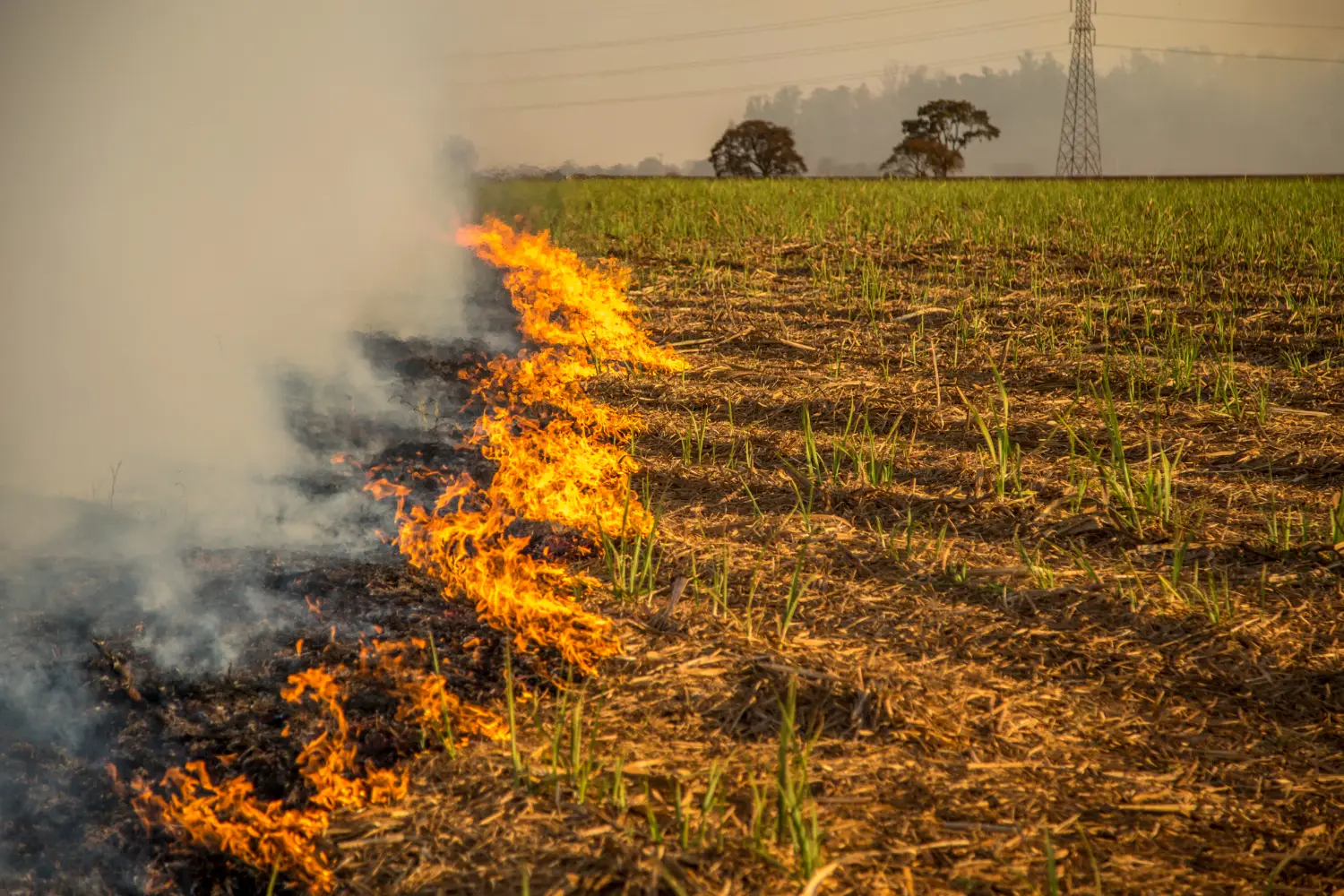
Walk onto your first farm fire scene expecting to use residential techniques, and you'll quickly realize you're in over your head. These investigations require completely different skills - understanding farming operations, seasonal risks, equipment failures, and how weather affects everything.
Understanding fire behavior in agricultural environments requires knowledge that extends far beyond standard residential fire investigation techniques. With human-caused fires accounting for 88 percent of all wildfires nationally according to the National Interagency Fire Center, grasping the unique challenges of agricultural environments becomes critical for accurate investigation outcomes.
I've seen experienced investigators step onto farm scenes and immediately know their playbook won't work. You're dealing with massive outdoor areas, ongoing operations, and ignition sources that simply don't exist in house fires. One minute you're examining a grain dryer, the next you're figuring out if lightning hit a metal silo three days ago.
What makes farms different:
- Massive outdoor investigation areas
- Weather constantly threatening evidence
- Unique ignition sources (machinery, dust, lightning)
- Seasonal risk patterns
- Complex electrical systems in harsh environments
Environmental factors alone can make or break your investigation. Wind patterns affect fire spread in ways indoor fires never experience. Humidity levels directly impact how combustible materials behave. Temperature extremes push equipment beyond normal operating parameters.
The first few hours determine whether your investigation succeeds or fails. Agricultural environments present hazards including unstable structures, chemical residues, compromised grain storage systems, and potentially explosive atmospheres. Quick action becomes one of the most important elements to protect evidence from weather, livestock, and ongoing farm operations.
Proper fire scene investigation protocols become even more critical when dealing with the unique challenges of agricultural environments.
Staying Alive While You Investigate
Farm fire scenes contain hazards that can kill you in ways you've never imagined. Your first priority isn't evidence collection or witness interviews - it's making sure you don't become a casualty.
Barn structures that look stable can collapse without warning, especially after fire damage weakens timber frames. Silos present crushing hazards from shifting grain, and confined spaces can contain deadly gases.
Critical Safety Assessment Steps:
- Evaluate structural integrity before entering any building
- Test air quality for chemical residues and oxygen levels
- Verify electrical systems are properly isolated
- Stabilize heavy machinery and contain fluid leaks
- Identify and mark all chemical storage areas
Chemical hazards deserve special attention. Farms store everything from anhydrous ammonia to diesel fuel, pesticides to fertilizers. Fire can create toxic gas combinations that'll drop you before you realize there's a problem. Always approach with proper respiratory protection and gas monitoring equipment.
Protecting Evidence Before Weather Destroys It
Weather doesn't wait for your investigation timeline. Rain washes away accelerant residues, wind scatters debris, and sun degrades crucial evidence faster than you can document it.
Immediate Evidence Protection Protocol:
- Photograph everything before any disturbance
- Deploy tarps and barriers against weather exposure
- Coordinate with farm owners to relocate livestock safely
- Secure and document all machinery and electrical systems
Chain of custody becomes exponentially more complex on farm scenes. You're dealing with multiple buildings, large outdoor areas, and numerous access points. Farm personnel need continued access for animal care and essential operations. Document everyone who enters the scene, establish clear boundaries, and maintain security measures appropriate for the scale.
The key is speed without sacrificing thoroughness. Prioritize areas most likely to contain origin evidence, but don't ignore secondary areas that might hold crucial information about fire spread or contributing factors.
During a 2023 dairy barn investigation in Wisconsin, investigators faced an incoming severe weather system just hours after arrival. The team immediately deployed emergency tarps over the suspected origin area near electrical panels, documented all visible burn patterns with rapid photography, and established a secure perimeter.
When the storm hit with 60mph winds and heavy rain, the protected evidence area remained intact while unprotected areas lost critical char patterns and debris scatter evidence. This rapid response preserved the electrical fault evidence that ultimately determined the fire's cause.
Finding the cause in farm fires means understanding ignition sources you'll never see in residential work. Electrical systems exposed to moisture, rodents, and temperature extremes for decades. Machinery operating under conditions that would destroy normal equipment in months.
Effective origin and cause determination in agricultural settings requires understanding the unique ignition sources and fuel loads present in farming operations.
The Usual Suspects
Electrical failures hit differently on farms. You're dealing with wiring that's decades old, exposed to moisture, rodents, and temperature extremes that would destroy household electrical systems in months.
Mechanical equipment failures present unique challenges. Tractors, combines, and processing equipment operate under conditions that would destroy typical machinery. Dust infiltration, extreme loads, and deferred maintenance create perfect conditions for overheating and mechanical failures.
Belt friction in grain handling equipment generates tremendous heat. Bearing failures in conveyor systems can create sparks that ignite accumulated dust. Hydraulic system leaks under pressure can spray flammable fluid onto hot engine components.
The seasonal nature of agricultural work means equipment sits idle for months, then operates continuously during critical periods. This cycle creates maintenance challenges and increases failure probability when equipment is needed most.
When Weather and Timing Matter
Seasonal patterns in agricultural fire risk aren't just statistics - they're investigation roadmaps that can guide your cause determination process.
Harvest season creates perfect storm conditions. Machinery operates extended hours under maximum load conditions. Crop materials reach their driest state. Operators work exhausted, making maintenance and safety decisions they'd never make under normal circumstances.
Seasonal Risk Assessment Framework:
- Harvest Season: Maximum machinery use, driest materials, extended operating hours
- Winter Storage: Heating system demands, hay storage risks, reduced moisture
- Spring Preparation: Equipment reactivation, maintenance activities, chemical applications
Human Factors: When Good People Make Bad Decisions
Farmers aren't careless - they're making calculated risks under unique pressures. Economic realities drive maintenance decisions that seem crazy to outsiders.
When critical equipment develops problems during harvest season, the choice isn't between safe and unsafe operation - it's between accepting some risk and losing an entire year's crop.
I've investigated fires where farmers continued operating equipment with known problems because stopping meant financial ruin. A dairy farmer kept using a hay conveyor with worn bearings because replacing it during hay season would have meant losing feed for 200 cows. The bearings eventually seized, generated enough heat to ignite the hay, and burned down the entire feed storage facility.
Common Human Factor Patterns:
- Maintenance deferrals due to seasonal timing pressures
- Improper storage of combustible materials and chemicals
- Smoking in prohibited areas with inadequate disposal
- Hot work activities without proper fire prevention measures
The key to investigating human factors isn't assigning blame - it's understanding the operational context that led to fire-causing decisions. This understanding helps determine whether the cause was truly accidental or if negligence played a role.
Modern farm fire investigations benefit from specialized techniques adapted to agricultural environments, including systematic scene examination methods for large areas, evidence collection techniques for outdoor environments, and technology integration.
Advanced evidence collection techniques become essential when dealing with the scale and complexity of agricultural fire scenes.
Handling Massive Scenes
Traditional grid search methods fall apart when you're dealing with 40-acre farm complexes. You can't treat a farm fire scene as an oversized house fire - the scale demands completely different approaches.
I learned this during my first major grain elevator investigation. We tried to apply standard residential investigation techniques to a facility that covered several city blocks. After two days, we'd barely scratched the surface and were losing critical evidence to weather exposure.
Large Area Documentation Strategy:
- Aerial overview photography to document scene layout and fire patterns
- Sector division breaking large areas into manageable investigation zones
- Priority area identification focusing initial efforts on origin areas
- Modified grid search patterns suitable for outdoor environments
Don't try investigating everything with equal intensity. Focus detailed examination on areas most likely to contain origin evidence, but maintain awareness of how secondary areas might provide crucial information about fire development or contributing factors.
Evidence Collection Outdoors
Outdoor evidence collection requires techniques most fire investigators never learn in traditional training programs. You're dealing with soil contamination, weather exposure, and sample degradation that can destroy crucial evidence before you realize it's important.
Specialized Collection Techniques:
- Soil sampling for accelerant detection with proper comparison samples
- Char pattern analysis on wooden structures and organic materials
- Metal component examination for heat damage patterns and failure analysis
- Debris screening for small but critical evidence items
Sample preservation becomes exponentially more challenging in outdoor environments. Temperature fluctuations, humidity changes, and contamination risks require immediate containerization in appropriate materials. Chain of custody documentation must account for multiple collection points, various evidence types, and extended collection periods.
Effective Technology That Shines
Skip the gadgets that look cool but don't solve real problems. In agricultural investigations, certain technologies solve real problems that can make or break your case.
Essential Digital Capabilities:
- Real-time data entry capturing information immediately at the scene
- Automated report generation creating NFPA 921-compliant reports
- Evidence tracking maintaining digital chain of custody with photos
- Collaboration tools enabling multiple investigators on large scenes
Drone technology has revolutionized agricultural fire investigation by providing aerial perspectives that were previously impossible or prohibitively expensive. Drones can document inaccessible areas, provide overall scene context, and identify evidence priorities that guide ground-level investigation efforts.
Different types of agricultural operations present unique fire investigation challenges requiring specialized knowledge and approaches. Grain storage facilities, livestock operations, and processing facilities each have specific risk factors, investigation priorities, and technical considerations.
When dealing with complex agricultural scenarios, understanding specialized investigation techniques becomes crucial for accurate cause determination.
Grain Storage: When Dust Becomes Explosive
Grain dust explosions represent some of the most technically challenging investigations in agricultural fire work. These aren't just fires - they're explosive events that can level entire facilities and require specialized investigation approaches.
The physics of dust explosions creates investigation challenges that don't exist in typical fire scenarios. You're dealing with primary explosions that create secondary explosions, pressure waves that destroy evidence, and blast patterns that can mislead investigators about origin and cause.
Dust Explosion Investigation Priorities:
- Ignition source identification focusing on electrical equipment and mechanical friction
- Dust accumulation assessment documenting housekeeping and ventilation effectiveness
- Explosion sequence analysis determining primary location and secondary blast patterns
- Equipment maintenance evaluation examining preventive measures and system failures
Livestock Facilities: Emotional Scenes with Technical Challenges
Livestock facility fires hit differently than other agricultural investigations. The emotional weight of animal losses can cloud judgment, but you still need to conduct systematic technical analysis of complex building systems.
Here’s a true story: A dairy barn fire where the ventilation system actually helped contain the fire initially by creating negative pressure that prevented smoke and flame spread. However, when the system failed due to electrical damage, the sudden change in airflow patterns caused rapid fire development that trapped animals in areas that had been safe moments before.
Ventilation System Investigation Focus:
- Fan operation status and electrical system condition at time of fire
- Airflow direction impact on fire spread patterns and development
- Heat lamp and supplemental heating system examination
- Dust accumulation in ventilation components and ductwork
Documentation requirements for livestock facilities extend beyond typical fire investigation needs. Animal population records, facility layout documentation, and emergency response procedures all become relevant to understanding how the fire developed and why losses occurred as they did.
The investigation must also consider the operational pressures unique to livestock facilities. Animals require care regardless of weather, equipment condition, or maintenance schedules. This creates situations where temporary repairs, deferred maintenance, and operational shortcuts become necessary for animal welfare but increase fire risk.
Agricultural fire investigations involve complex legal considerations including specialized insurance coverage, potential criminal coordination, and expert testimony requirements. The unique nature of farm operations, substantial financial losses, and potential criminal aspects demand careful attention to legal requirements and documentation standards.
Understanding the role of expert witnesses becomes particularly important in agricultural fire cases due to their complexity and high financial stakes.
Insurance Complexities
Agricultural insurance makes standard property insurance look simple. You're dealing with policies that cover everything from livestock mortality to crop loss, equipment breakdown to business interruption - often with different carriers, different coverage periods, and different claim requirements.
Seasonal value fluctuations create coverage disputes that don't exist in other industries. A grain storage facility might be worth $50,000 empty in spring but $500,000 full during harvest season. The timing of the fire directly impacts coverage calculations and claim settlements.
Key Insurance Investigation Elements:
- Crop insurance versus property insurance coverage distinctions
- Seasonal value fluctuations affecting loss calculations
- Business interruption claims related to agricultural operations
- Equipment depreciation and replacement value determinations
Criminal Investigation Coordination
Arson investigations in agricultural settings present unique challenges that can trip up even experienced criminal investigators. The remote locations, delayed discovery, and complex access issues require modified approaches to evidence preservation and witness interviews.
Criminal Investigation Coordination Protocol:
- Early coordination with law enforcement agencies and fire marshals
- Preservation of potential accelerant evidence in outdoor environments
- Documentation of access routes and security measures
- Interview strategies for farm personnel and neighboring property owners
Modern fire investigation technology significantly improves agricultural fire investigation efficiency and accuracy through specialized case management software, digital documentation systems, and advanced field equipment. These tools address the unique challenges of large outdoor scenes, complex documentation requirements, and multi-investigator coordination while ensuring NFPA 921 compliance.
Blazestack's specialized case management platform addresses the unique challenges agricultural fire investigators face every day. The software streamlines everything from initial scene documentation to final NFPA 921-compliant report generation, with features designed specifically for large-scale outdoor investigations.
The platform's GPS integration helps maintain spatial relationships between evidence, structures, and potential ignition sources across large agricultural properties. Real-time collaboration tools enable multiple investigators to work efficiently on massive scenes while maintaining proper documentation and chain of custody.
Weather data integration provides crucial context for fire development analysis, while automated report generation ensures consistent, professional documentation that meets legal and insurance requirements. The system's evidence tracking capabilities handle the complex chain of custody requirements unique to multi-day, multi-location agricultural investigations.
Ready to solidify your farm fire investigations? Blazestack's platform delivers 62% more efficiency in investigation management while ensuring thorough, professional results.
Agricultural fire investigations aren't just bigger structure fires - they're fundamentally different investigations requiring specialized expertise. From safety assessment through final reports, every asect must account for unique agricultural characteristics and operations.
Try Blazestack free today and experience how purpose-built technology can transform your agricultural fire investigation capabilities.
Editorial note: All amounts and examples in this article are approximate and for illustrative purposes only. Always review the latest version of your state and local fire codes and regulations, and consult qualified professionals as needed. This article is for general informational purposes and does not constitute legal or compliance advice.


Trusted by Public and Private Investigator Teams Everywhere
Whether you're a big state agency, a small local fire department or somewhere in between, Blazestack software (NFPA 921® & CJIS compliant) collects fire scene data and generates standardized origin and cause reports in a fraction of the time of other methods.
To learn more about Blazestack, give us a call at (866) 303-4344 or email us at support@blazestack.com
Get Your Free 14-Day Trial and Custom Price Quote Now
We'll let Blazestack do the talking. Try it out right now for free.
A member of our staff will be in touch shortly.