Expert Witnesses in Fire Investigation: What the Role Actually Requires

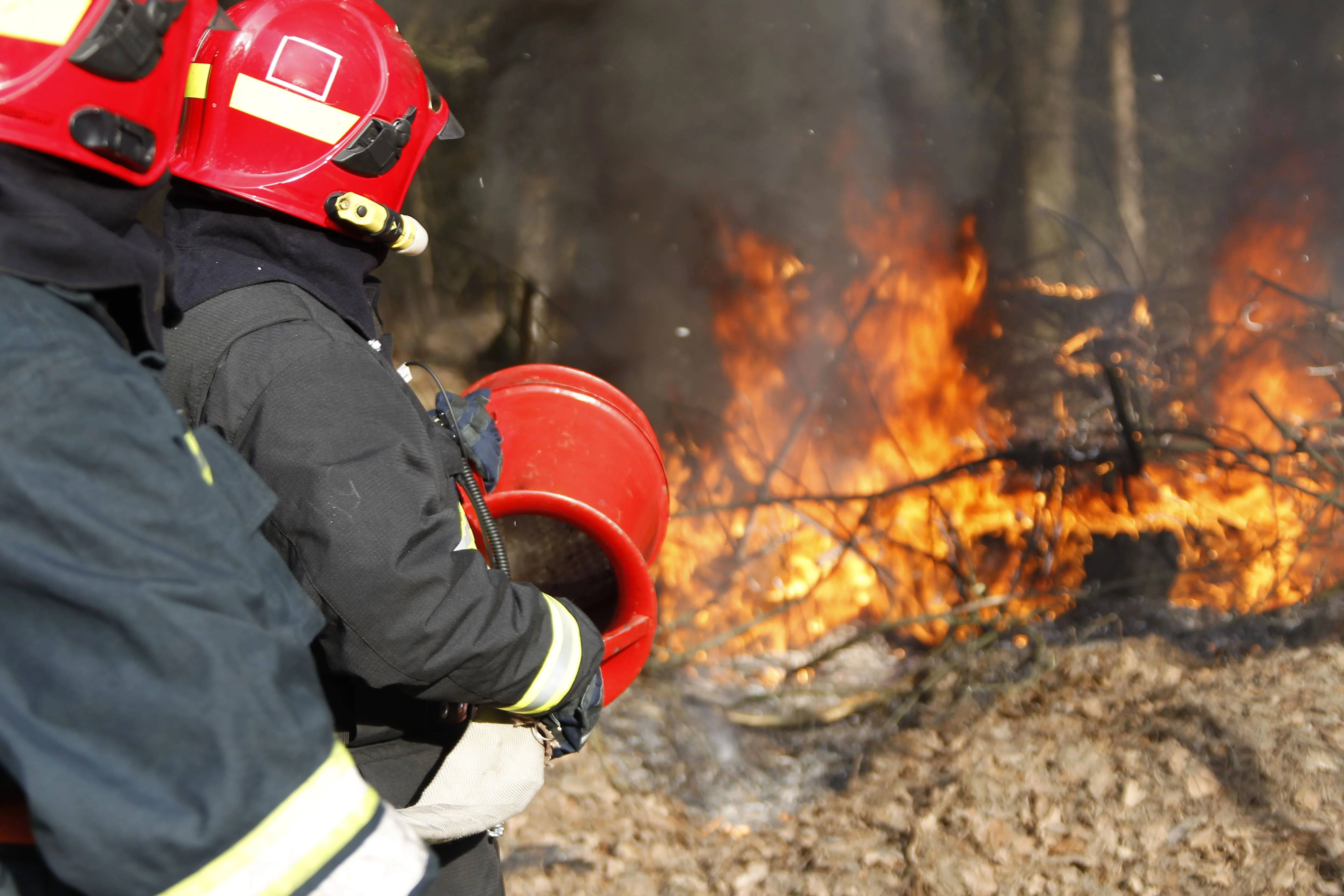
The stakes in a fire investigation are high. Lives may be lost, property destroyed, and justice hangs in the balance. When the truth needs to be unearthed, your expertise isn’t just valuable—it’s indispensable. As a fire investigator, stepping into the role of an expert witness can elevate your contributions from the fire scene to the courtroom.
But what does it take to be an effective expert witness? How do you prepare, testify, and withstand scrutiny? This article dives deep into the nuances of becoming and excelling as an expert witness, tailored for seasoned fire investigators like you.
An expert witness is someone with specialized knowledge, experience, or training in a particular field who provides testimony to assist the court in understanding complex issues. In fire investigations, expert witnesses bridge the gap between technical evidence and legal understanding.
Imagine a courtroom scenario where intricate burn patterns or chemical residues are central to a case. Without expert testimony, these critical details could be misunderstood or overlooked. Your role isn’t just to present facts—it’s to translate them into a compelling, comprehensible narrative that helps the court see the bigger picture.
Becoming an expert witness isn’t about titles—it’s about demonstrating authority, credibility, and experience. For fire investigators, qualifications typically include:
Credibility is built on a foundation of both knowledge and the ability to communicate it effectively.
As an expert witness, your responsibilities extend beyond providing testimony. You are a guide for the court. Your job is to make technical complexities clear and precise.
- Analyzing Evidence: Reviewing fire scene data, photographs, and reports to form unbiased conclusions.
- Drafting Reports: Preparing detailed, court-admissible reports that outline your findings and opinions.
- Educating the Court: Explaining technical concepts in layman’s terms without oversimplifying.
- Defending Your Conclusions: Responding to cross-examinations and challenges with confidence and composure.
For instance, consider a case where electrical wiring is suspected as the ignition source. As an expert witness, your analysis of the evidence and ability to explain it in plain language can significantly impact the court’s understanding of the fire’s cause.
Stepping into the courtroom can feel like entering uncharted territory, even for seasoned investigators. Preparation is the key to confidence and effectiveness.
Reviewing Case Materials
Your testimony is only as strong as your grasp of the case details. Ensure you:
- Revisit Reports: Study all documentation, including your own notes and third-party reports.
- Understand Opposing Theories: Anticipate alternative explanations and prepare counterarguments.
- Memorize Key Data: Be ready to recall critical evidence, such as timelines or chemical analysis results, on demand.
Building Credibility
Credibility is your armor in court. To establish and maintain it:
- Present Yourself Professionally: Dress appropriately and maintain a respectful demeanor.
- Speak with Authority: Use confident language without appearing arrogant.
- Acknowledge Uncertainties: Admit when data has limitations—honesty bolsters your trustworthiness.
No courtroom experience comes without its challenges. As an expert witness, you’ll encounter:
- Cross-Examination Pressure: Opposing counsel may attempt to discredit your findings or expertise.
- Complex Questions: Some questions may intentionally mislead or oversimplify technical concepts.
- Emotional Tensions: High-stakes cases often come with emotional courtroom atmospheres.
- Time Constraints: Balancing investigation duties with courtroom preparation can be demanding.
Each challenge is also an opportunity to showcase your composure, clarity, and expertise.
Investing in advanced training and practicing are the best ways to enhance your skills are an expert witness. Here are a few suggestions to consider.
Pursue Advanced Training
Invest in specialized training for expert witnesses, focusing on courtroom procedures, communication techniques, and cross-examination strategies.
Stay Updated on Industry Trends
Fire science evolves rapidly. Keep up with new technologies, methodologies, and legal precedents to remain a trusted authority.
Practice Public Speaking
Confidence in the courtroom stems from clear, effective communication. Join public speaking groups or seek mentorship to refine your skills.
Learn from Experience
Every testimony offers lessons. Reflect on past cases to identify strengths and areas for improvement.
Expert witnesses aren’t just participants in the legal process—they’re game-changers. Your ability to distill complex findings into actionable insights can sway verdicts, influence policy, and ensure justice.
Every choice you make under scrutiny shapes the investigation’s outcome and builds trust in your profession. By embracing the role of an expert witness, you elevate your impact as a fire investigator. You become a storyteller, a translator, and a beacon of truth in a process that demands clarity and precision.

Trusted by Public and Private Investigator Teams Everywhere
Whether you're a big state agency, a small local fire department or somewhere in between, Blazestack software (NFPA 921® & CJIS compliant) collects fire scene data and generates standardized origin and cause reports in a fraction of the time of other methods.
To learn more about Blazestack, give us a call at (866) 303-4344 or email us at support@blazestack.com
Get Your Free 14-Day Trial and Custom Price Quote Now
We'll let Blazestack do the talking. Try it out right now for free.
A member of our staff will be in touch shortly.