Fault Current: Types, Causes, and How to Detect Them

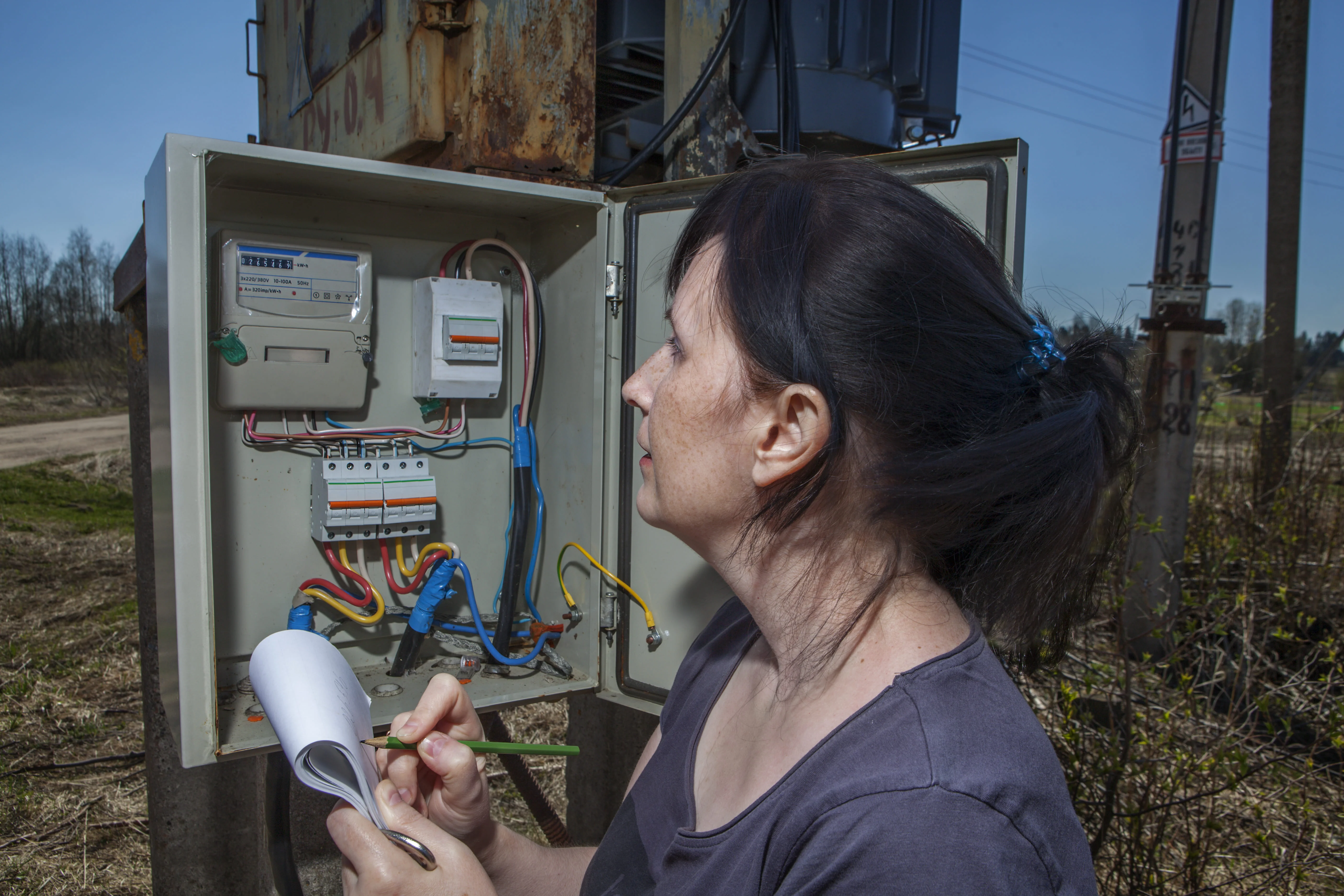
Electricity plays a crucial role in modern life, but when it goes rogue, it can spark catastrophic consequences. For fire investigators, understanding the nuances of electrical systems is essential, especially when tracing the root cause of a fire.
One such critical concept is fault current. What exactly is it, and why should it matter to you as an investigator? Let’s unpack this.
At its core, a fault current is an unintended surge of electrical current that bypasses its normal pathway in a circuit. Think of it like a river breaking through a levee — the flow becomes uncontrollable, overwhelming the system and causing damage. These currents often result from short circuits or equipment failures, leading to extreme heat, arcing, and sometimes, electrical fires.
In investigative terms, fault current is a red flag. It’s the chaotic footprint left behind when electrical systems fail catastrophically. For you, tracing this phenomenon can often mean the difference between pinpointing a cause and walking away with unanswered questions.
Not all fault currents are created equal. Understanding their categories helps you identify their origins and impacts more effectively.
Understanding what causes fault currents is essential for pinpointing their role in a fire. Common culprits include:
- Insulation Failures: Deteriorated or damaged insulation can expose conductors, leading to unintended contact.
- Mechanical Damage: Physical impacts from construction or accidents can crush cables or dislodge connections.
- Environmental Factors: Moisture, heat, and corrosive chemicals accelerate wear and tear on electrical components.
- Aging Infrastructure: Older systems with outdated components are more prone to faults.
Identifying fault currents at a fire scene can be challenging, but there are several indicators and tools that you can use.
Tools for Measurement
Detecting fault currents requires specialized tools designed for precision and accuracy:
- Clamp Meters: Measure current flow without disconnecting the circuit.
- Fault Current Analyzers: Provide real-time analysis of anomalies in electrical systems.
- Insulation Testers: Identify insulation breakdowns that could lead to faults.
Indicators of Fault Currents in Fire Investigation
When examining a fire scene, look for:
- Arcing Marks: Evidence of high-energy discharges that melt or vaporize metal surfaces.
- Burn Patterns on Conductors: Scorch marks that suggest overheating.
- Overcurrent Protection Activation: Blown fuses or tripped circuit breakers, which signal a surge of energy.
Why is it important for investigators to learn more about fault currents? They can result in arcing and can damage electrical equipment.
Analyzing Electrical Arcing
Fault currents often result in electrical arcing—an explosive discharge of electricity through the air. This arcing generates intense heat, capable of igniting surrounding materials. As an investigator, you must distinguish between arcing as a fire starter and damage caused after ignition.
Identifying Equipment Failure
Fault currents wreak havoc on electrical equipment. Signs like melted circuit boards, discolored terminals, and damaged motors often tell you where the fault originated. Key tip: Look for patterns in the damage—localized overheating usually indicates the epicenter of a fault.
Prevention is always better than cure. Modern electrical systems incorporate various safeguards to limit fault currents:
- Circuit Breakers: Automatically shut down circuits when a fault is detected.
- Grounding Systems: Redirect fault currents safely to the earth.
- Surge Protectors: Prevent voltage spikes from escalating into destructive currents.
While these measures can’t eliminate fault currents entirely, they significantly reduce the risk of fire.
Fault current isn’t just an abstract electrical term—it’s a tangible force with the power to ignite fires and devastate systems. By understanding its types, causes, and effects, you can approach electrical fire investigations with greater precision and confidence. Whether it’s identifying arcing evidence or measuring current surges, your ability to unravel the story told by fault currents can make all the difference.
So next time you’re on the scene, don’t just see a mess of wires—see the clues waiting to tell you their story. After all, every fire leaves a fingerprint. It’s up to you to read it.


Trusted by Public and Private Investigator Teams Everywhere
Whether you're a big state agency, a small local fire department or somewhere in between, Blazestack software (NFPA 921® & CJIS compliant) collects fire scene data and generates standardized origin and cause reports in a fraction of the time of other methods.
To learn more about Blazestack, give us a call at (866) 303-4344 or email us at support@blazestack.com
Get Your Free 14-Day Trial and Custom Price Quote Now
We'll let Blazestack do the talking. Try it out right now for free.
A member of our staff will be in touch shortly.